The 8 Seconds Rodeo makes its debut in ‘the grittiest and most soulful city’

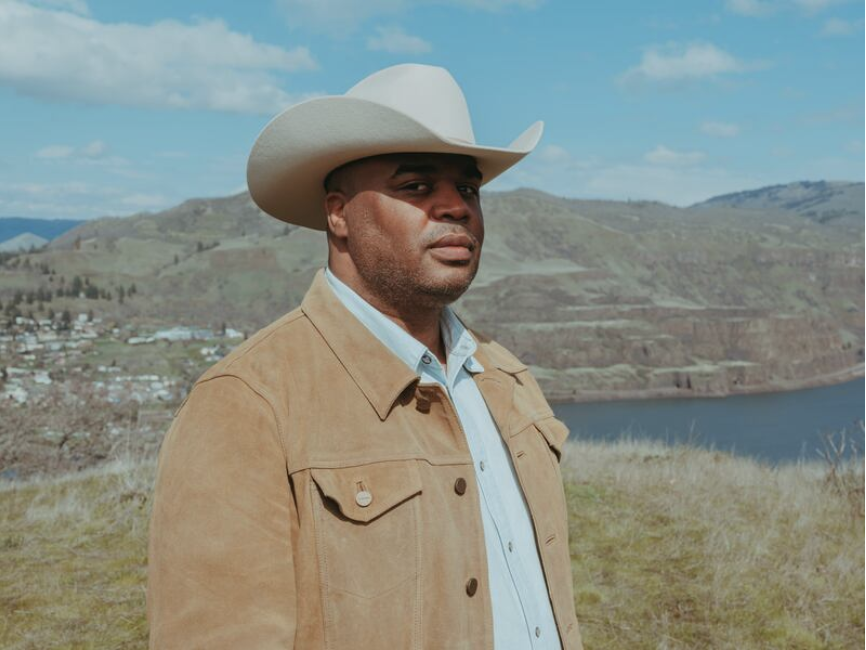
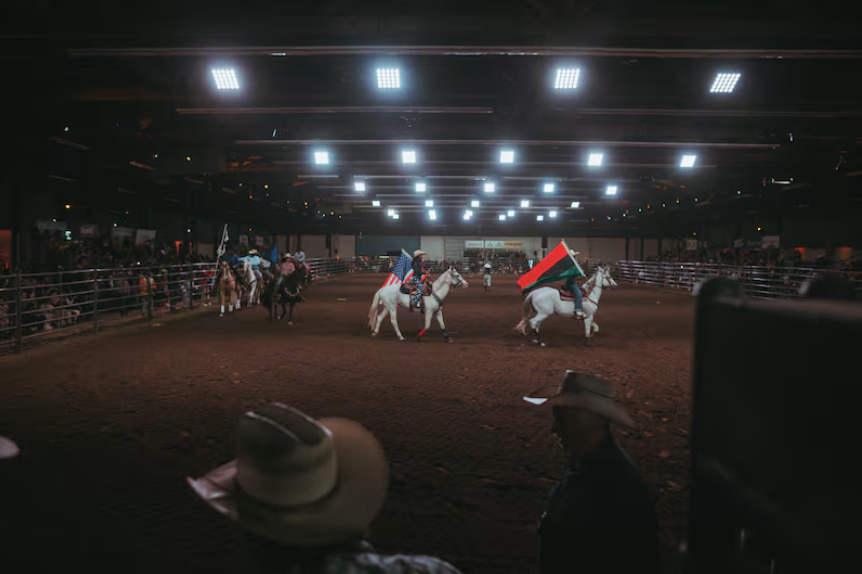
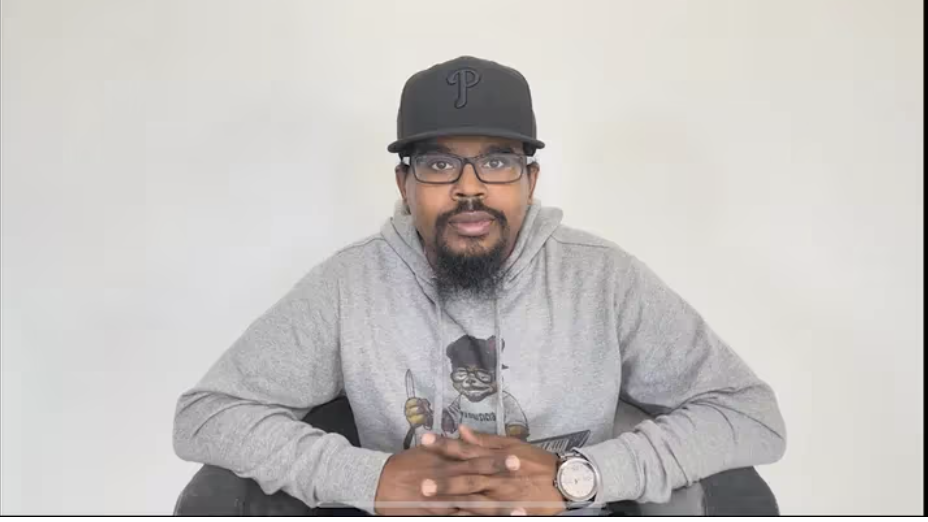
Ivan McClellan has had two million pounds of dirt to fill Temple University’s Liacouras Center for a “radically Black rodeo” on Saturday, along with 15 bulls, six broncos, 10 sheep, and more than 20 horses.

It has been a decade since he first fell in love with the Black rodeo on a 105-degree day in Okmulgee, Okla. The Portland, Ore., native was photographing the Black cowboys and cowgirls from the grandstands of the Roy LeBlanc Invitational Rodeo.

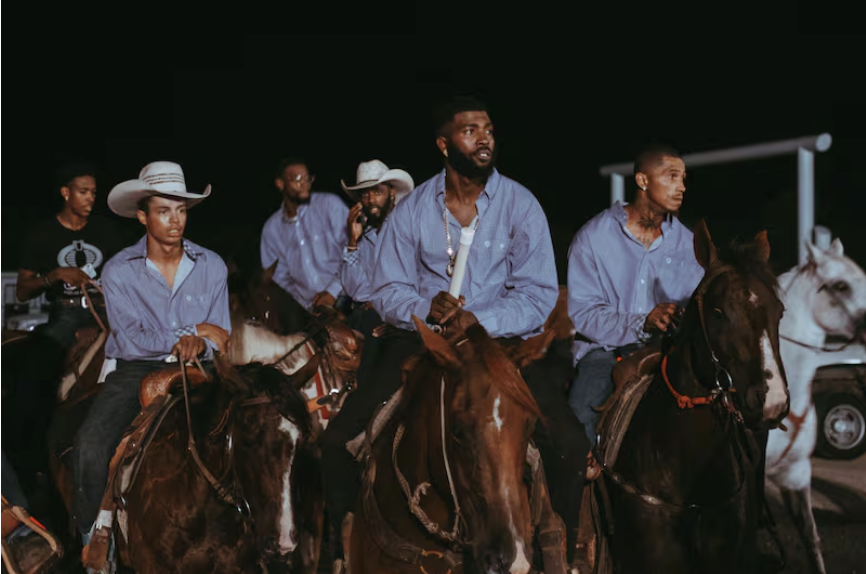
As they rode in Timberland boots at a speed of 50 miles per hour, braids flowing behind them, and their starched T-shirts crunching as their arms rose in suspension, McClellan realized there was a story that needed more unearthing.

“I got obsessed with rodeo culture at that point,” he said.

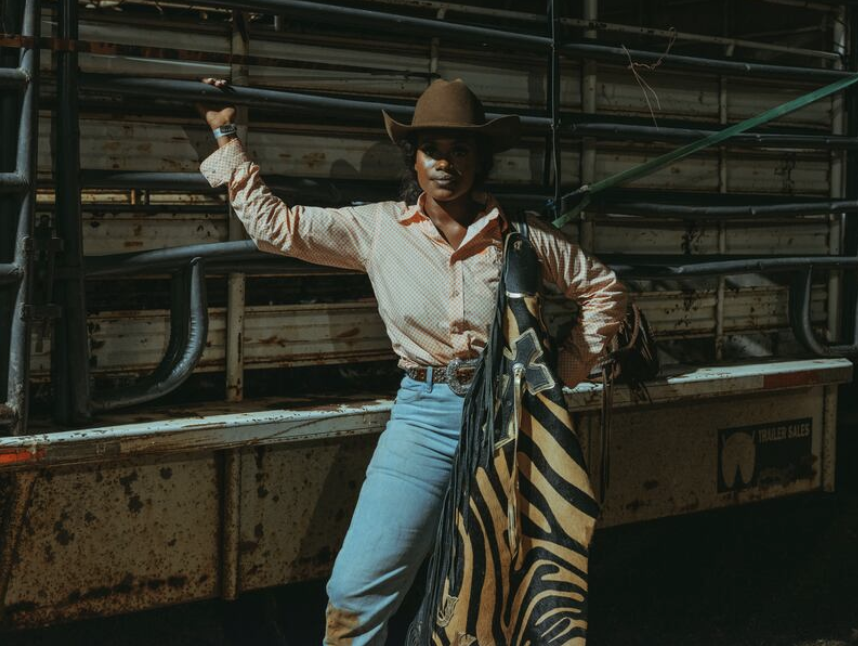
Black cowboy culture has existed since the beginnings of the American South, but McClellan felt there was a story that history books widely overlooked. He wanted to spotlight Black cowboys of the past and the rodeo athletes of today, from America’s Great Plains to those in the country’s largest urban centers.

With every rodeo he attended, he made more images and forged new relationships with cowboys and organizers, who inspired him to start a Black rodeo show of his own.

In 2023, he founded 8 Seconds Rodeo to highlight the essence of Black cowboy life, offer Black athletes higher wages than they were accustomed to, and introduce the world of Black cowboy culture to those unfamiliar with its extensive history.

That first rodeo at the Portland Convention Center drew a sold-out crowd of 2,000 attendees for an “electric” all-Black rodeo experience.

“This is not a reclamation story,” McClellan said. “This is something that we’ve always done, and something we’ve always had as Black people. We’re putting a light on it and letting people know it’s part of our identity. If you put on cowboy boots and a hat, you’re just putting on your grandpa’s clothes, and it’s OK.”

After selling out shows on the West Coast, McClellan — who recently moved to Chester County — teamed up with local equestrian and longtime friend Erin “Concrete Cowgirl” Brown to merge Western-style rodeo with Philly’s urban cowboy culture.

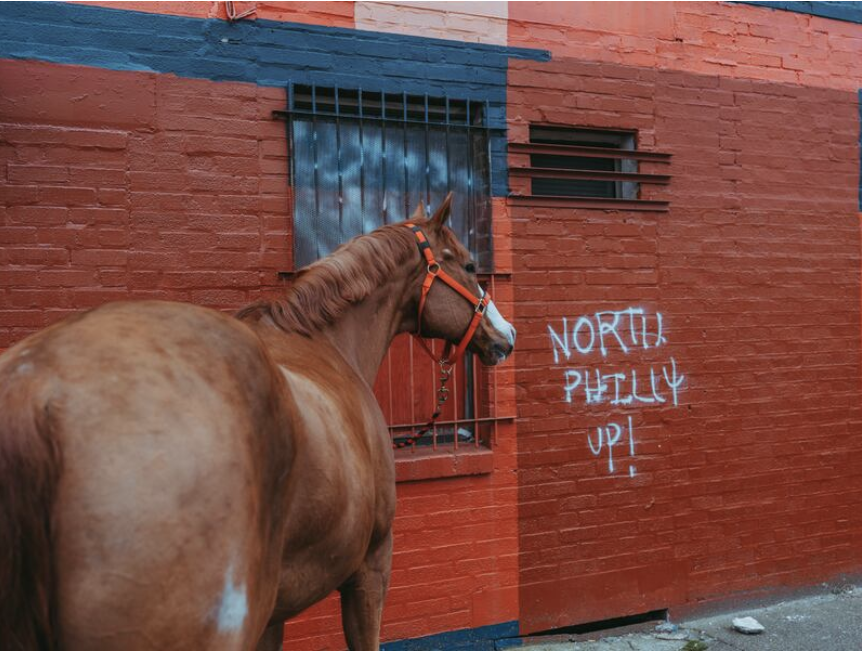
With Brown as his tour guide, McClellan ventured to the original home of the Fletcher Street Urban Riding Club, a famed institution for Black cowboys in the heart of North Philadelphia’s Strawberry Mansion neighborhood.

For decades, Black horsemen have roamed the streets of Strawberry Mansion and the nearby lushes at Fairmount Park. Several Black-owned stables have populated the area throughout the 20th century, where lessons on horsemanship and urban cowboy history were shared among riders young and old.

Brown started visiting the Fletcher Street stable at age 6.

And when the story of Fletcher Street and the city’s Black cowboy tradition was made into Netflix’s 2021 film Concrete Cowboy, Brown served as a consultant.

“We’ve achieved a lot in Portland, but I wanted to go to the grittiest and most soulful city in the world to see what we could do,” he said. “We’re going to throw down, the athletes are going to compete at the highest of their abilities, and I’m most excited about the crowd because of the city’s history and vibe.”

Philly’s, McClellan said, is a cowboy culture you don’t see anywhere else in America, and he’s excited to integrate that urban riding culture into Saturday’s event.

“It’s just the swagger of the riders here,” he said. “It’s got a lot of hip-hop in it, and that’s definitely something that has inspired us.”

Brown, who will bear the Pan-African flag to kick off 8 Seconds Rodeo, said the show is a natural fit given the city’s unique history and the recent commercialization of the Black cowboy.

“It’s major,” Brown said. “Cowboy and urban horse culture has been a thing way before I was born, but it’s more mainstream now with Beyoncé and everything coming forth. But what other city to do it than Philadelphia? It’s one of the largest cities, so why not?”

The one-day experience in Philly will feature rodeo athletes from around the country competing in bull riding, barrel racing, and bareback bronco riding for a total of $60,000 in prize money. There will also be a community pre-show that will have line dancing, mechanical bull riding, and roping instructions from fellow rodeo vets, and sounds from Philly’s DJ Diamond Kutz.

“You didn’t get those Fashion Nova and Boot Barn boots to sit in your seat. Come out early for community,” McClellan joked.

This event isn’t just a one-off, McClellan said. 8 Seconds Rodeo is going to be a mainstay event, and one he hopes becomes a place of community and celebration for Black Philadelphians who are familiar and new to the world of rodeo.

“We’re not bringing a rodeo to Philly. We’re building a rodeo in Philly,” he said. “We’re an unapologetically Black cultural event, and this one is going to be an unapologetically Philly event.”

– The Philadelphia Inquirer

The urban designer whose weekly work commute is a trip from Philadelphia to Atlanta, and back

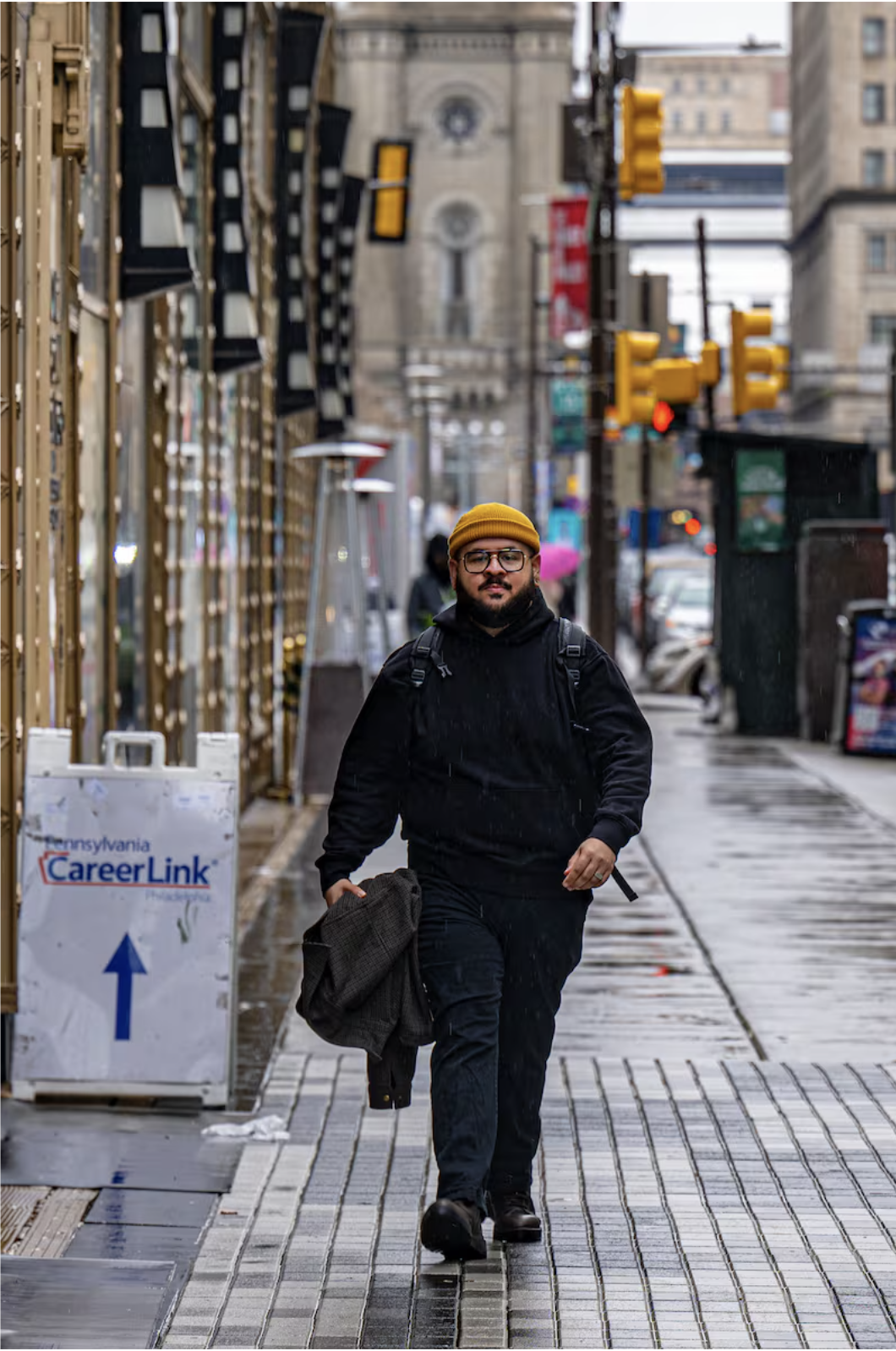
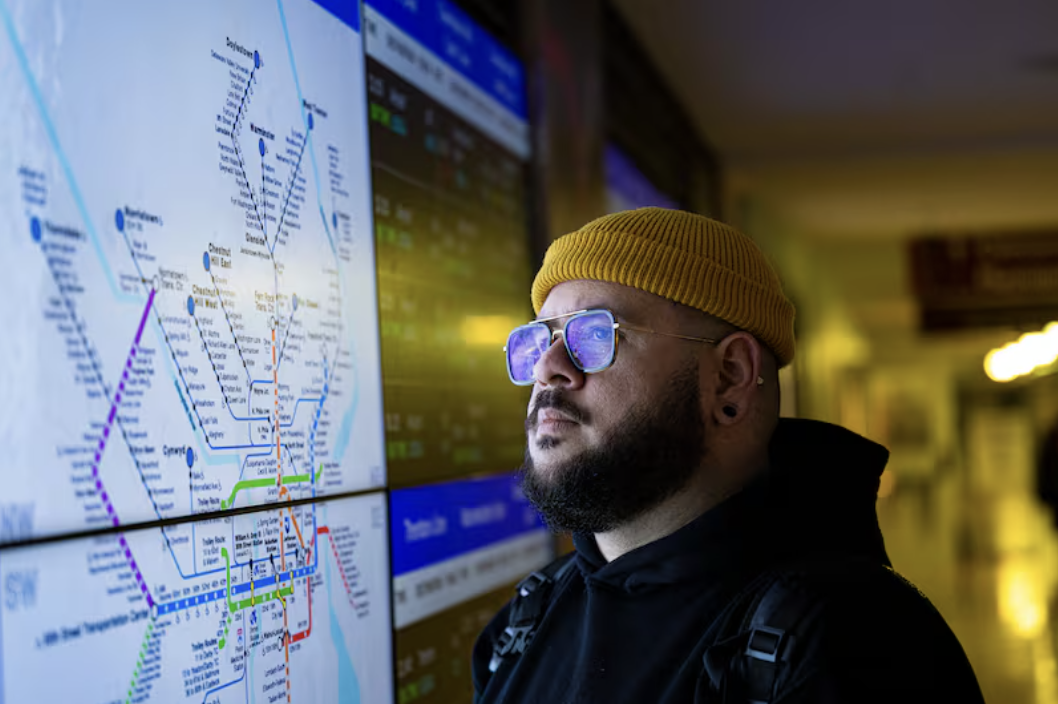
Philadelphia’s congested highways or crowded SEPTA platforms don’t get in the way of Daniel Rodriguez’s commute to work.

That’s because the Philadelphia-based urban designer’s commute between his firm’s two offices consists of two flights, two trains, and a bus across two states each week.

Rodriguez, who lives with his wife in their Jewelers’ Row apartment, ping pongs between his home (and his Center City office) in Philadelphia and his office in midtown Atlanta, twice a week.

Rather than moving to Georgia or embracing a simpler hybrid work-life balance, Rodriguez prefers an 800-mile trek to work that doesn’t have him dealing with Philly rush hour traffic and the restrictions car owners face.

“I want to live a life that’s intentionally, anti-whatever everybody else is doing,” Rodriguez said. “I feel like there are problems in society, and this is one of them that just trickles and affects so many things in our personal and professional lives. It’s not anti-car. It’s really about getting away from the dependency and focusing on building systems that help people move. That’s my whole philosophy.”

Rodriguez, who grew up in Bayamon, Puerto Rico, said it’s a lifestyle driven by the independence and movement he felt was missing in his youth.

The geographical barriers of the island often led to feelings of physical and mental entrapment as a child.

“Where I come from, I’ve never seen people so hungry to have something in life, with no ability to achieve it,” he said. “And I’m willing to do extreme things to do that.”

In May, the 34-year-old began posting videos of his travels to and from Philadelphia and Atlanta. His TikTok and Instagram posts have drawn millions of viewers, with hundreds of users questioning how Rodriguez balances his workload and travels.

His schedule varies each week, but he usually flies into Atlanta on Sunday nights and returns to Philadelphia on Tuesday nights. Sometimes, he will fly out on Monday morning and return on Wednesday morning. He also does additional same-day round-trips a couple of times a month.

The planning for his trips to Atlanta begins the night before. Rodriguez packs his bags and puts toothpaste on his toothbrush before going to bed.

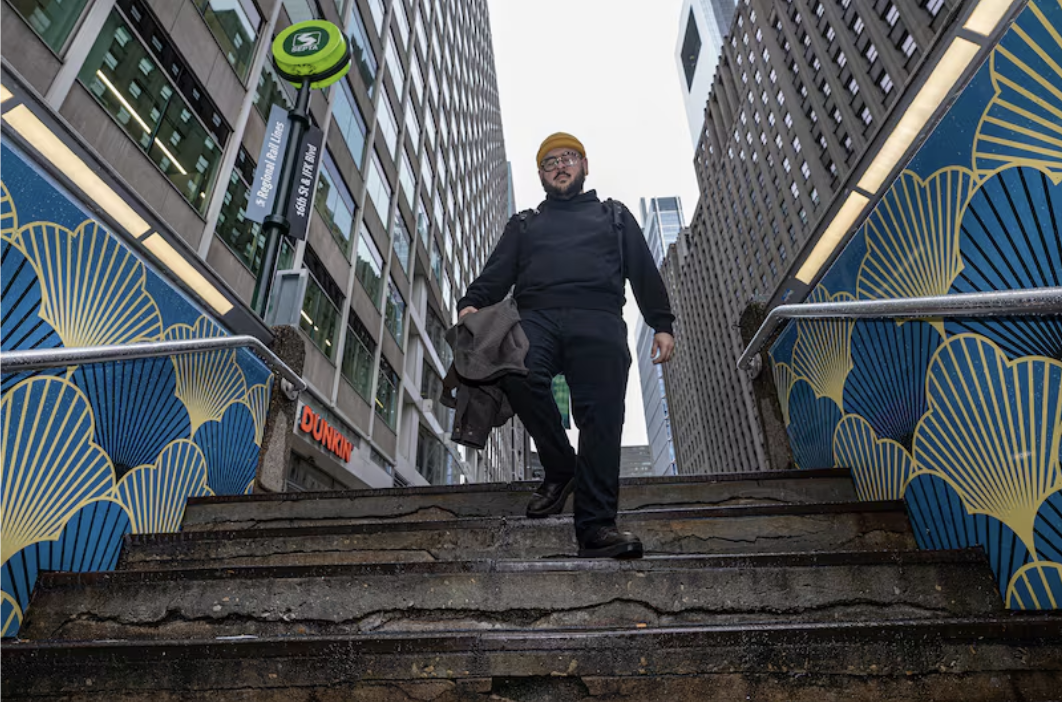
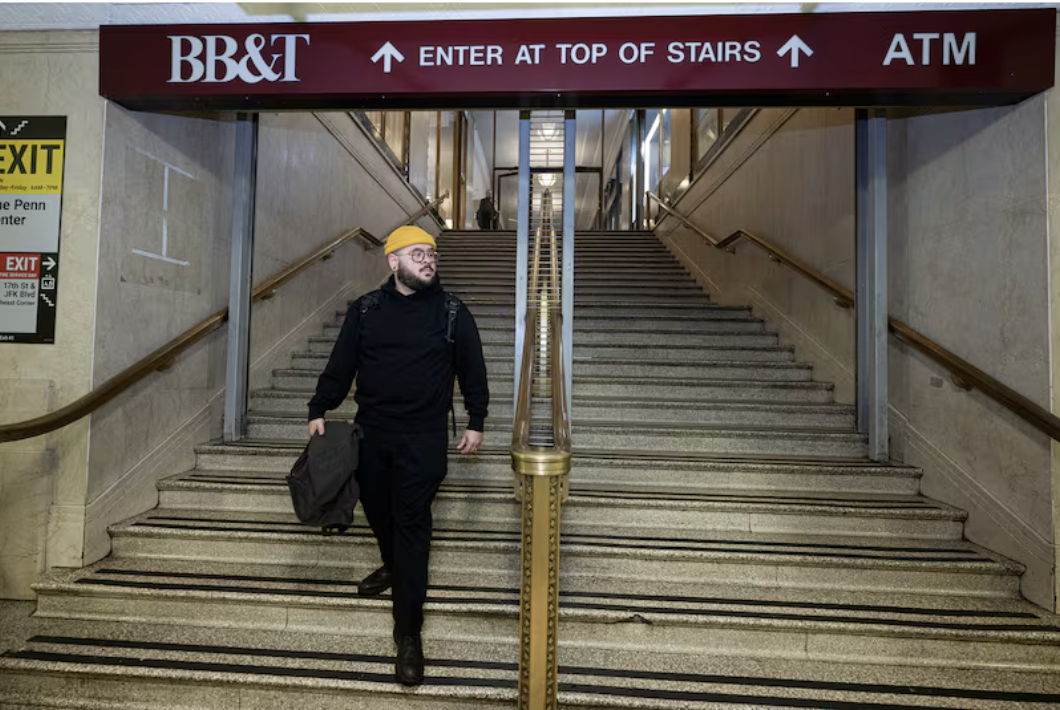
He wakes up at 4 a.m., grabs his belongings, and walks to the Suburban Station. Here he boards the train to the Philadelphia International Airport and lands in Terminal F for his flight to Atlanta. He does have to factor in the regular delays.

“Terminal F is like the dingleberry of Philadelphia. It’s the last one at the airport, and really far,” he joked.

After the 90-minute flight to Atlanta, he walks over to the Metropolitan Atlanta Rapid Transit Authority platform for a 30-minute train ride to his company office in midtown Atlanta.

He’s not completely “anti-car,” he insists. He often rents a Zipcar for small errands and to explore Atlanta restaurants, art galleries, and sites that feed his architectural interests.

“I’m more along the lines of, ‘I don’t want to be dependent on a car,’” he said. “I don’t want to put my money toward that. I’d rather put that into something else, and suffer the consequences.”

Once his work day is finished, he either uses ride-share or takes a one-and-a-half-hour bus ride to a friend’s apartment in Decatur, arriving around 9 p.m. And before he rests his head for the night, Rodriguez begins his routine all over again for his return to Philly the following morning.

Rodriguez said his travel costs come out to about $180 each week, with the most significant barrier being the time and energy he spends to balance out his travels.

“It’s not unachievable,” Rodriguez said. “I feel like the pain point for a lot of people is the time. People don’t want to spend the time.”

Rodriguez didn’t always live like this. His super commute began after years of uncertainty. He moved to Philadelphia in 2022, and between 2023 and 2025, Rodriguez was laid off twice, incurring thousands of dollars in debt.

“I wasn’t even paycheck to paycheck anymore. I was living in the negative,” he said.

After another eight months of job hunting, he was at a crossroads. With limited jobs in his industry in Philly, he applied for roles in other cities.

He applied to an urban design firm in Atlanta, and the week his unemployment ran out, he landed his current role in May 2025. While the company has an office in Center City, the Atlanta location was the only one hiring in his specific field.

Rodriguez consults on transportation, green space, urban design, and master planning in Atlanta and other cities along the East Coast.

While the demands of the commute were challenging at first, Rodriguez believes he has made a decision that works for him. “I have my wife here, and I don’t want to uproot her,” he said.

Since he started making videos of his commute, his world has “completely flipped,” Rodriguez said.

He’s landed brand deals with travel-based companies and has spoken in various cities across the country about how fellow millennials can traverse the country without the burden of a vehicle.

Rodriguez plans to become a content creator full-time to encourage viewers across YouTube, Instagram, TikTok, and other platforms to avoid the pitfalls of car ownership.

His ambitions haven’t gone unchecked. Environmentalists who watch his videos often point to the carbon footprint he leaves behind, despite his aversion to car ownership.

Rodriguez admits his lifestyle could be viewed as contradictory. His modes of travel contribute to gas emissions, but he contends he’s not the sole source of the issue, simply a product of a system already in place.

“I did not pass the laws that allow oil barons to drive or force corporations to fuel jets that release stored carbon,” he said. “I am a participant in society, and there is no fully ethical way to exist within it.”

While he understands people’s precaution and confusion, Rodriguez is confident his weekly commute and lifestyle will work as well for others as they do for him.

“I love to create. I love to build. And I don’t want to do anything where you’re just staying still,” he said.

– The Philadelphia Inquirer

How a Kennett Square sandwich maker became best buds with Mark Ruffalo, thanks to ‘Task’

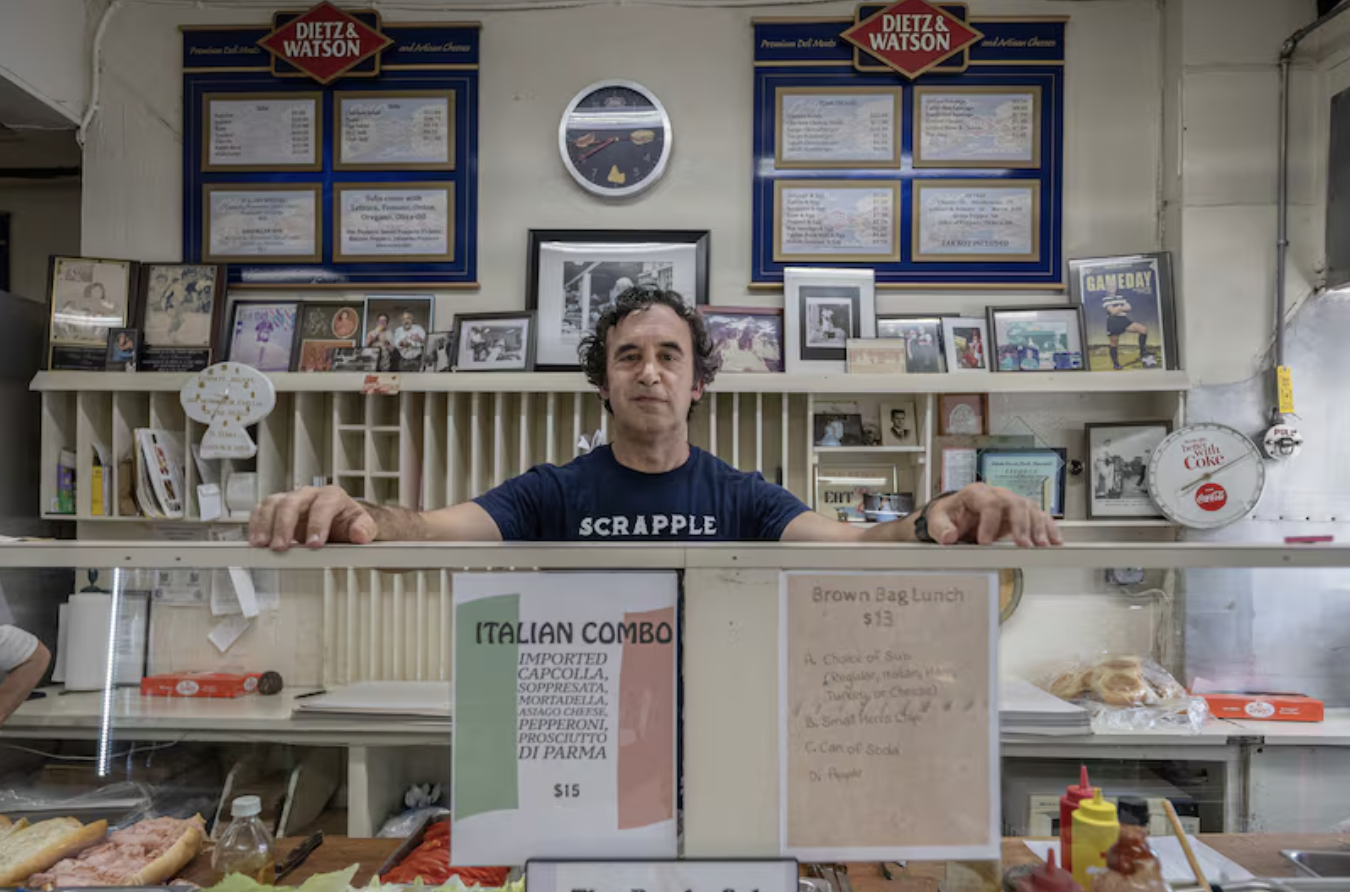
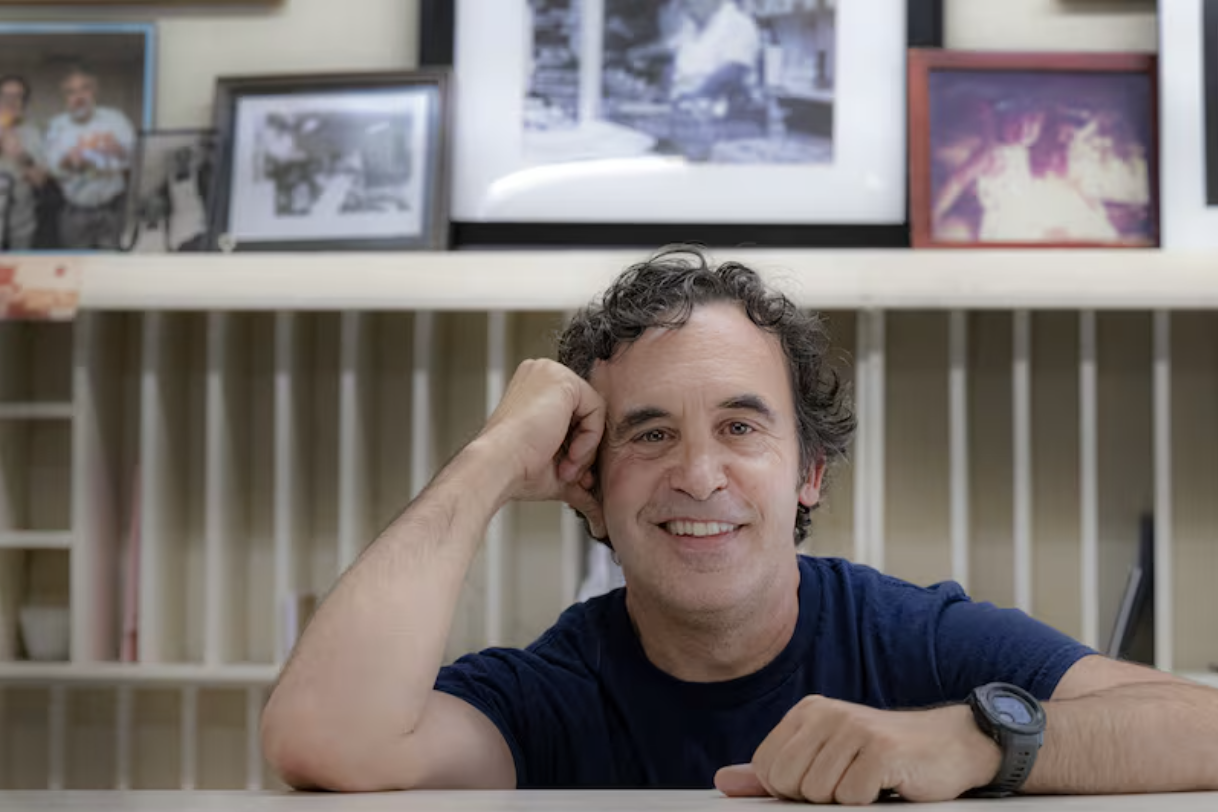
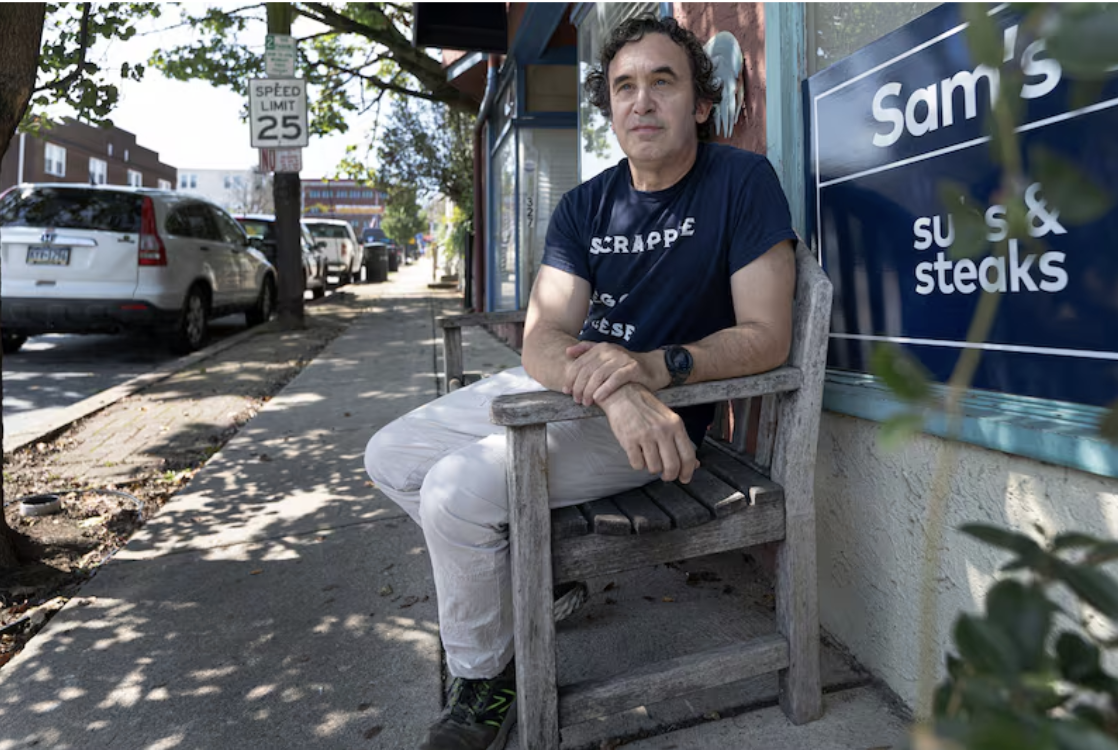
It was February 2024 and a normal workday for Michael Bertrando at Kennett Square’s Sam’s Sub Shop when his phone rang. The sandwich maker saw an unfamiliar number flashing on the phone screen. He usually avoids them but decided to answer this one.

It wasn’t spam. A Heery Loftus casting agent was asking if he’d be interested in being a stand-in for actor Mark Ruffalo in the HBO crime drama, Task.

“If I’m being honest, I didn’t want to do it at first because of the sub shop,” Bertrando said. “But it’s a good opportunity, obviously. So, I took them up on the offer.”

Later that month, he appeared for camera tests at Sun Center Studios in Aston, where he met Task directors Jeremiah Zagar and Salli Richardson-Whitfield. By the beginning of March, Bertrando had landed the biggest acting gig of his career.

Bertrando has appeared in commercials for Mercedes, McDonald’s, Nintendo, Oscar Meyer, and other international brands. After traveling the world as a professional clown, he worked the improv comedy circuit in New York and Chicago. He eventually moved back to Kennett Square to help his aging parents run the family’s sandwich shop, leaving him with little time to pursue acting.

“You get to a certain age and your family’s getting older, you have your parents to think about, and we have the family business. I kind of got bogged down,” Bertrando said.

Years ago, he would’ve jumped at the Task role, but he wasn’t sure he could simultaneously work on set and manage the shop. He is glad he agreed.

“It fuel-injected me,” he said. “After talking to Ruffalo and the other crew members, the experience really put a flame under my ass.”

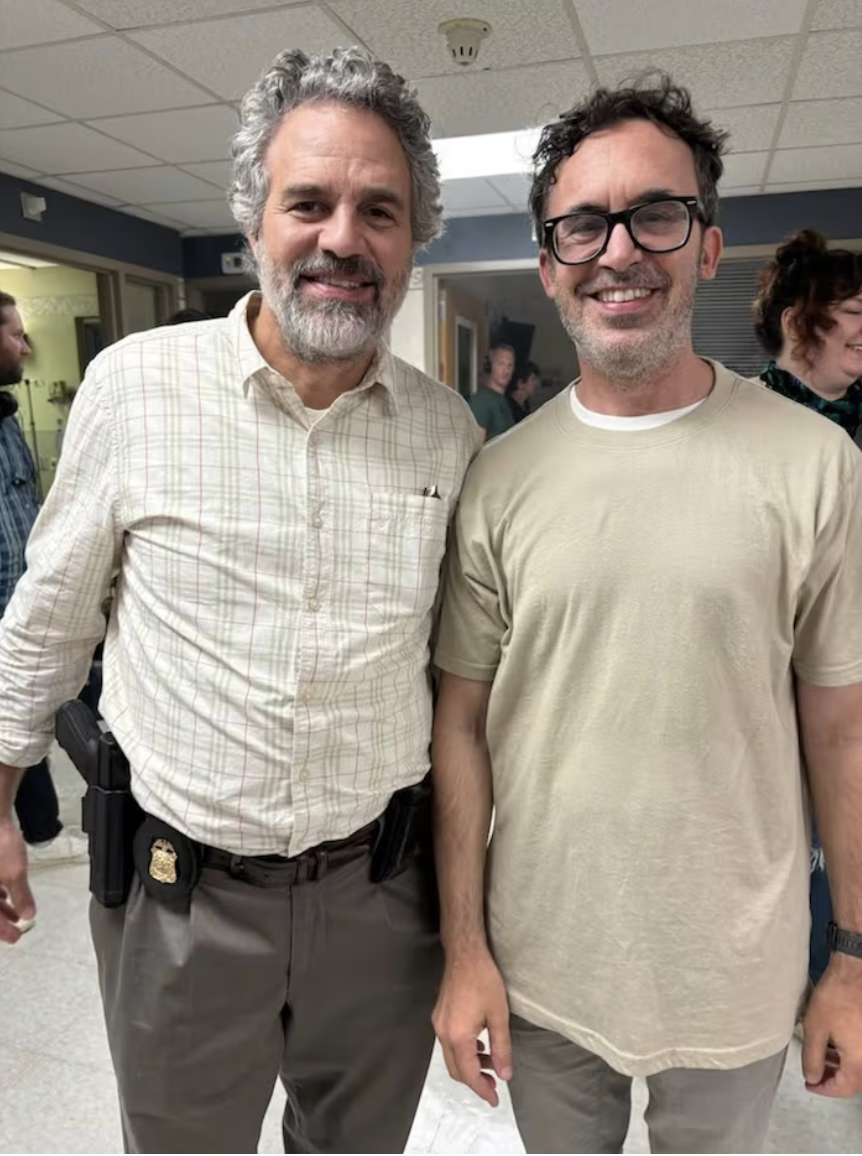
As Ruffalo’s stand-in, Bertrando shadowed the actor, who plays FBI agent Tom Brandis in the Delco-set, cops-and-criminals series.

Every day Ruffalo was on set, Bertrando was right beside him. He performed stunt work for Ruffalo, and the two bonded over their Italian heritage, Bertrando’s travels as a professional clown, and their common start in theater and commercials.

“Ruffalo just talked me up so much,” Bertrando said. “He would be watching me on the monitor, and then say, ‘Michael, I’m going to steal what you just did there.’ And then I’d joke and say I was his acting coach.”

With encouragement from Ruffalo, Zagar, and creator Brad Ingelsby, Bertrando auditioned for a speaking role and landed the role of “FBI Officer No. 1″ in episode five, which premiered Sunday.

He was thrilled, of course, but he had one other goal in mind. Bertrando wanted to spotlight Sam’s Sub Shop.

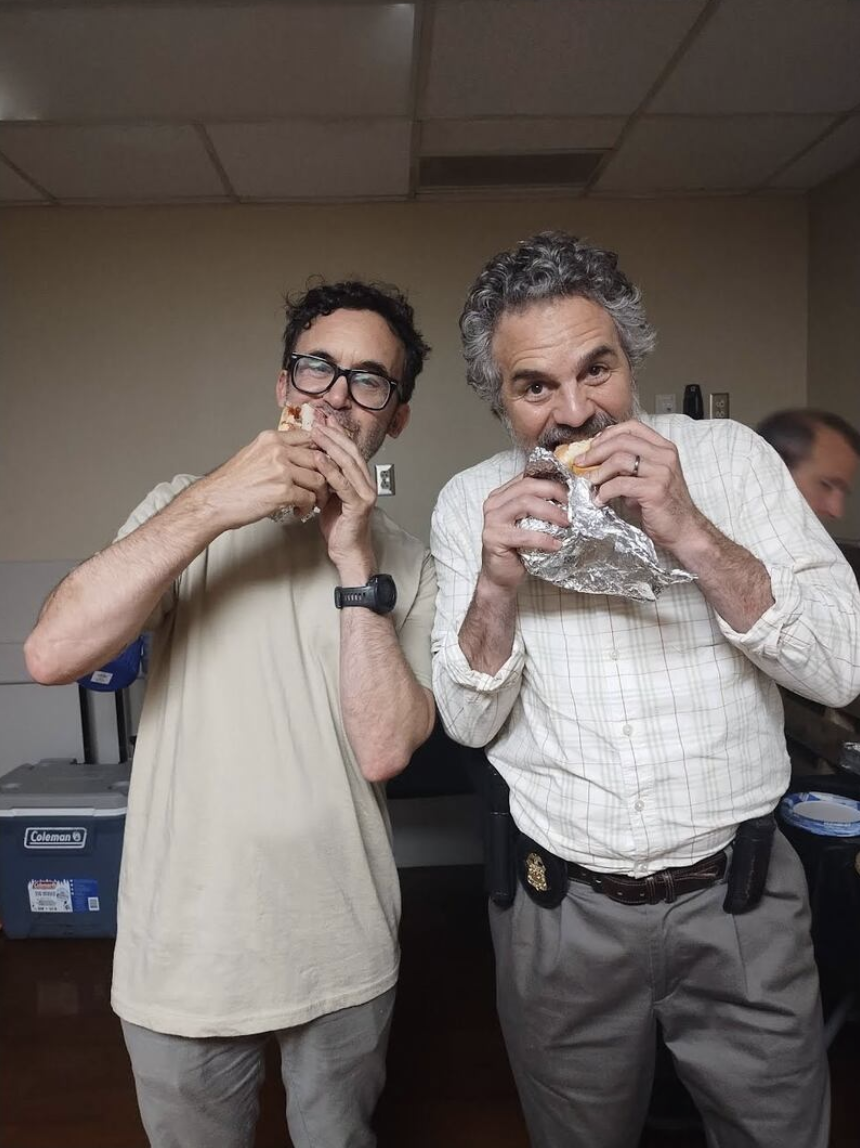
Off camera, Bertrando introduced Ruffalo and the rest of the crew to the delights of his hometown, including specialty hoagies and cheesesteaks from the 80-year-old eatery, which is owned by his mother, Sandra Bertrando. Her father, Sam Frabriso, opened the shop 80 years ago. Her husband, Bert Bertrando, Michael’s father, helps out, mostly chatting with customers or slicing tomatoes.

“Ruffalo and [the crew] were fascinated with the stories about my mom, the crazy customers, and everything else,” he said.

Ruffalo ordered Sam’s Sub Shop for the crew, and Bertrando gifted hats and other merch to the wardrobe and production design departments in hopes they could land some screen time.

“I played two angles,” Bertrando said. “I had my acting angle, and then I had my family business angle. I kind of succeeded in both, and it was a great experience all around.”

Along with Wawa coffee and Rita’s Italian Ice, Sam’s Sub Shop menus appear throughout the series.

A photograph of Bertrando and Ruffalo eating the shop’s subs adorns the deli’s entrance walls. When Ruffalo asked what people say when they pass by the framed image, Bertrando said, “People keep asking me how I know Paul Rudd.”

The opportunity didn’t come without sacrifices for Bertrando. He was sleep-deprived for most of the six-month-long production, working 18- to 20-hour days between the set and the shop.

Some Fridays, he was on set until 4 a.m., then opened the shop at 6 a.m. But Bertrando has no regrets. His renewed love of acting has already materialized into new projects.

“If [Zagar and Ingelsby] come to town again, I want to make sure I have something to show them, too, since they were so supportive of me. You can’t lose these connections,” he said.

After Task wrapped production last year, Bertrando returned to the comedy stage. He’s currently testing new material at open mics for a future comedy special, tentatively titled “I’m Not Mark Ruffalo.” He also starred in a short film called Magnet Brain that won the best film award at 48 Hour Film Project — Philadelphia. And he is writing, shooting, and acting in a short film about his family deli.

He credits Ruffalo and the rest of the Task crew for reigniting his passion for acting and comedy. As for a worthy “thank you” gesture, Ruffalo has already offered a “terrible” suggestion.

“He wants a buffalo mozzarella sandwich [named after him] because it rhymes with Ruffalo,” Bertrando said.

“It’s not happening.”

“Task” airs every Sunday at 9 p.m. on HBO.

– The Philadelphia Inquirer

Freezing temps have brought back the backyard ice rink

Philly winters have been streaky in recent years, but homeowners and hockey enthusiasts are making the most of the recent deep freeze to build backyard ice skating rinks.

While many families favor the dependable conditions of an indoor rink, Fox Chase resident David Bara prefers the slow, chilling burn of a homemade skating consortium.

Since 2016, Bara has rolled up his coat sleeves to build a 22-by-48-foot rink for his family and golden retriever Ellie to enjoy. “I’m an absolute fanatic,” Bara said. “There aren’t many people in Philly who are crazy enough to do what I do. It’s definitely something more reserved for Canadians and other people up north.”

For nine straight winters, Bara has built a miniature hockey rink using plywood and a white plastic liner (a black one draws too much sunlight), while navigating the unpredictable forces of Mother Nature. “Half of the passion I have is the challenge of being able to do one where we live,” Bara said. “It’s not easy. It’s me and Mother Nature. If Mother Nature doesn’t cooperate, then there is no rink.”

After building the wooden exterior, he puts down the plastic liner and gradually fills it with water over three days. The shapeless plane slowly transforms into a sleek, 10-inch-high surface, which he wraps with beam-supported banners covered in local business ads.

Bara said his outdoor rink (ODR) wasn’t always as well-executed. His first one was made from a torn blow-up pool, with a thin surface just wide enough to fit his son and one other hockey player. But the haphazard experiment inspired him to take the art of ODR-making to the next level.

What started as a one-off project for Bara has turned into an obsession. “I’m out there building ice four or five times a night. I set my alarm for midnight, 2 o’clock, and 4 o’clock in the morning because it’s better to do it when there’s no sun.

I call it passion; some people call it insanity.”

It’s even become a part of family tradition. Bara hosts a broomball tournament every year for his daughter’s birthday, and his shed-turned-warming room is a late-night hang for Philadelphia Flyers fans. It’s equipped with a TV, a fully stocked bar, cozy insulation, and LED-lit walls covered in Flyers memorabilia.

Flourtown content creator Logan Randazzo said her DIY rink, too, has become a winter tradition. The Canada native and amateur figure skater grew up practicing two-foot turns and forward swizzles on her family’s rink. And for the past three Christmases, Randazzo and her husband have joyfully shared those “core memories” with their five children on the back patio of their historic mansion.


“It’s been fun as a parent to see that through my children’s eyes,” Randazzo said. “I used to spend all day out there with my brothers, so it’s really fun to see them [out there]. I hope it’s the kind of stories they can talk about when they grow up.”

While indoor rinks are great for skating year-round, Randazzo said nothing compares to the feeling of outdoor skating, especially when it’s accessible a few feet from a backdoor. “It’s nothing against indoor rinks, but the convenience of a mother of five to just step outside the door is absolutely priceless.”

Since posting an Instagram video of her 20-by-40-foot rink, Randazzo, who’s amassed more than 250,000 followers on the platform, said other Philly-area residents have contacted her to ask how they can make one of their own.

While ODRs are more common among Canadian and Midwestern households, Long Valley, N.J., resident John Greco said it’s become a growing trend on the East Coast since the COVID-19 pandemic.

The former hockey player runs a backyard ice rink Facebook group with Bara. He said people have been seeking new ways to explore the outdoors, and with more DIY tips and resources readily available, Greco said it’s easier than ever to get started.

The biggest challenges for new rink builders are finding backyard space without a slope, or building rink boards without a gap. Differing levels could lead to uneven ice, and cracks in the exterior can lead to “blowouts,” a balloon-like pop that ends in a flooded yard.

“I’ve heard all the horror stories. I try to collect information for people because that was my battle at the beginning. And now there are resources for people to start,” said Greco.

Barring an occasional snow blitz, or a momentary string of ice-capped days, snow in Philadelphia has been alarmingly scarce the past 10 years.

Last winter, Philly registered the lowest snow cover in a decade since the National Weather Service began tracking it in the winter of 1940-41. And the meteorological winter of 2023-24 was ranked the 10th warmest in records dating back to 1872.

Bara said it takes roughly three straight days of freezing temperatures for ODRs to hold. But despite last year’s record-low snowfall, he was able to build his ice rink in less than 24 hours. “I was making new layers every hour,” he said.

While winters have been more difficult to predict, Bara said the past 10 years have been fairly consistent. Some months (and years) are cooler than others, but the lifelong Philadelphian said the recent weather has been close to what it was when he first started making his backyard rink.

After a decade building “natural backyard rinks,” Greco said this year was his first making it with a chiller system, easing some of the pressure that comes with the weather-dependent pass-time.

YardRink CEO Brian Packard, whose company specializes in National Hockey League-licensed ODR kits, said the ease of technology is also encouraging people to build their own iced arenas.

It’s a trend he hopes will reduce children’s phone screen time and spark added interest in street hockey. Its growth, Packard said, could be similar to the popularity of flag football, which makes its Olympic debut in 2028. “It’s about sticks in hands and smiles on faces,” Packard said. “We’re excited about the resurgence of backyard ice hockey. People are going bananas with it.”

Whether it’s an NHL-licensed rink or a frozen retention basin, Maple Glen resident Kristen Warner said the best thing about ODRs are the moments shared with neighbors, friends, and family.

Warner has had rinks flood, and some have required emergency resurfacing. But no matter the conditions, one element always remains the same – the joy.

“[It doesn’t] matter if you get one weekend of solid ice, or an entire winter,” she said, “it’s worth the time and effort for the memories that are made.”

– The Philadelphia Inquirer

Black-owned businesses are finding a home in Chestnut Hill

In Chestnut Hill, newly opened storefronts like Multiverse, NoName Gallery, Serenity Aesthetics & Wellness Medical Spa, and others have breathed new life into the historically affluent neighborhood known for 18th-century architecture, and a bustling commercial corridor. These businesses, owned by people of color, are servicing an evolving and increasingly diverse Chestnut Hill.

“We’ve had more than 24 businesses open in the last two years,” said Courtney O’Neill, executive director of the Chestnut Hill Business District. “The majority were African American owners, young couples, or women — and sometimes all the above.”

While 70% of Chestnut Hill residents are white, the neighborhood has seen a 7% increase in Black residents over the past decade, according to data from the U.S. Census Bureau. Black Philadelphians now make up 19% of the community, and there’s an increasing number of multicultural businesses attracting them to the Hill.

Fitness trainer Kim Harari, who moved to Chestnut Hill a year ago, said she relocated for a “homier” feel, and to find a deeper sense of community as a first-generation immigrant and queer resident.

For Harari, the growing diversity of Chestnut Hill is one of its best qualities. “If I could put a blueprint for what I wanted it to be, it’s here,” said Harari, a trainer at the Balance Chestnut Hill gym. “I never felt in place [in Center City], but [here] it’s diverse, queer-friendly, and a lot of Black-owned businesses. I love it.”

The speculative fiction bookstore Multiverse, which is owned by Sara Zia Ebrahimi-Hughes and Gralin Hughes, hosts monthly showcases for modular synthesizer artists. DanceFit studio owner Megan Kizer has led Beyoncé- and Lil John-inspired after-dark dance sessions. And NoName Gallery’s Jonene Lee has put on First Friday celebrations on the Hill.

Lee has welcomed graffiti artists, local musicians, and hip-hop DJs to her First Friday events, and said the presence of BIPOC-owned spaces and programs like hers has added much-need vibrance to the area. She feels more late-night, block party-style events is something the community has been wanting for some time.

“I’m happy that we’re bringing more color and culture here,” Lee said. “Even little old white women say they love what I’m doing, and that makes me happy.”

Lee says she knows no community is perfect. She’s dealt with “silent racism” all her life — the kind that’s felt through glaring eyes and disturbed faces rather than insults or derogatory statements. But she’s certain there’s real opportunity to grow in Chestnut Hill.

“It’s known for old money, and when you have old money, it’s white and it’s racist, I get that. But it’s not like that here. [Residents are] really open to art and culture, so I found a good spot.”

Tensions over change

While BIPOC business owners have been welcomed into Chestnut Hill in recent years, TC Unlimited Boutique owner Keia Chesson says that wasn’t always the case.

When she first opened her boutique eight years ago, Chesson was attracted to the “quaint” and walkable district, and the general ritziness of the area. At the time, there were only a few Black-owned storefronts in Chestnut Hill, and Chesson said moments of resistance from longtime residents occasionally surfaced.

“When Barack and Michelle Obama were in office, I highlighted purses and other items [with the Obamas’ faces on them] in my window, and some people didn’t like it,” said Chesson, who previously served on the board of directors for the Chestnut Hill Business Association. “Being a Black owner and supporting a Black president may not have been liked among some people [here], but for the most part, people embraced it.”

The increased diversity, O’Neill said, has brought a welcomed and organic change to the area, which has been largely “homogenous” for decades.

“It’s not just the business corridor, it’s just Chestnut Hill overall,” O’Neill said. “It’s an affluent neighborhood, but there’s a lot of affluent African Americans who have found their way here and made homes.”

Emerging unity

Beyond the rise in BIPOC-owned spaces, Will Brown of the Duke Barber Co. said there’s a real sense of unity that’s present throughout the commercial corridor. That’s why he’s kept his business in the area for 15 years, and why other entrepreneurs have gravitated there.

“We all go into each others’ businesses and support each other,” he said.

Brown said the growing diversity doesn’t mitigate the challenges businesses still face. Newly-established entrepreneurs can’t serve just one demographic to be successful — it has to be all of Chestnut Hill.

Owners like Gina Charles are up for the challenge.

Charles, the founder and medical director at Serenity Aesthetics & Wellness Medical Spa, moved her practice from Mt. Airy to Chestnut Hill in November. She wanted to find a ground-level location with greater visibility and easier access to its doors, and a space on the 8100 block of Germantown Avenue was a perfect match.

Charles is excited to see what the future holds, and for Chestnut Hill’s evolution to lead to more job opportunities, business collaborations, and networking events among all residents and patrons. “That’s a win for everyone,” Charles said.

– The Philadelphia Inquirer

Philly couple who went viral for living in a storage unit wants to prove ‘homelessness is a flex’

Like many Gen Zers, Lansdale couple Leland Brown Jr. and Breanna Hubbard gave TikTok viewers a tour of their new home, hours after they moved in.

The space was just large enough to fit a twin-size mattress, a small couch, a dresser, and a wall of storage boxes. But no windows, bathroom, or kitchen. It also happened to be located inside a storage unit in North Wales.

The container was an upgrade from their previous digs, a tent in the woods of Montgomery County. Brown and Hubbard, who spent most of their days creating videos, live a “minimal lifestyle” to avoid what they call the stresses of employment and costly housing.

According to a 2022 survey conducted by Freddie Mac, a government-sponsored finance company, adults between the ages of 18 and 25 have mostly positive thoughts about homeownership. But over one-third of them say it’s outside of financial reach.

“We think it’s more beneficial for us in the long run,” Hubbard said of living outdoors. “We’re not looking at how much we make now, we’re looking to build up our businesses and to work for ourselves. We want to make our own money by sharing our life, which we’re having success with.”

A mutual friend introduced the pair in March 2022, and they have shaped their online presence and living situation in tandem ever since.

It wasn’t always meant to be so “minimal.”

Brown and Hubbard were among the 31% of Gen Z who were living at home due to high housing costs. After continued disagreements with his father, who wanted the 28-year-old TikToker to pursue a more sustainable career, Brown was kicked out of his parents’ home in Montgomery County in May 2022.

“He told me I was grown and have a son, so I needed to figure it out,” said Brown, whose 7-year-old son lives with his mother.

Brown then moved in with Hubbard, 22, who was living with her family in Hatfield. That didn’t work out, so they packed up their bags and moved to the woods in September 2022.

Brown, who had never been camping before, was excited to adopt the new lifestyle. But he quickly learned how difficult it was living outdoors. “It was a lot once we got everything settled,” Brown said. “It was crazy dealing with the animals and the cold.”

After six months, Brown and Hubbard adapted to the new living situation and decided to chronicle their journey.

In December of 2023 he posted videos that showed him taking leftover food from his job at a nearby hotel to the tent. Brown lost his job soon after — but the videos generated millions of views on TikTok and YouTube.

Around the same time, Hubbard’s mom encouraged the couple to visit a nearby U-Haul store for an occasional break from the cold, and for a place where they could edit their videos and do other “office work.” The couple saw the storage units there as an opportunity to have a low-cost home of their own, at least while they saved money for a more permanent space.

They started by taking naps inside the U-Haul store, then moved their belongings into one unit. Over time, they organized furniture and made it into a small housing quarter. They posted the three-part series on TikTok, which generated over 22 million views and made national news, with outlets like CBS News, Complex, and Yahoo News reporting on their move into the climate-controlled space.

Within days, U-Haul management asked the couple to leave.

“Residing in a self-storage unit is a violation of state and federal housing laws,” Jeff Lockridge, a spokesperson for U-Haul International wrote in an email to The Inquirer.

“I was always prepared to get kicked out because of the video,” Brown said. “I didn’t expect it to become as viral as it was, but when it did, I knew I couldn’t delete it. I was making money off of it, so we had to run with it.”

The couple stayed in a U-Haul truck for a night before moving their stuff back to the Lansdale woods.

Brown and Hubbard currently live inside a large camping tent, filled with bundled blankets, an air mattress, and a power bank to charge their electronics.

Brown, who prefers the term “house-lessness,” said tent life is less than ideal. But the independence that comes with the low-cost lifestyle, he feels, is a sacrifice worth enduring.

“I’m very educated and intelligent, and so is [Hubbard], but people tell us how to live because their perspective in life is different,” Brown said.

While Brown had asked to move back in with his parents in the past, he said he and his father have now come to an understanding. “My dad is saying [I] have to stay in the woods and make it work,” he said. “He’s trying to teach me to be strong and survive.”

His father, Leland Brown Sr., a principal engineer and director of a military and aerospace communications company, said he had his concerns, especially when Brown and Hubbard moved into the storage container. Still, “I believe Leland has been very clear this is a choice he has made and he stands on his choice,” Brown wrote in an email. “If no harm is caused to anyone, content development is a good method to share his approaches on how he wants to live his life, while allowing others to follow his journey.”

While Hubbard’s parents have invited her back home, she’s continued to say no. “I had to leave to be the best version of myself,” she said.

Since last year, the couple has monetized videos of their daily exploits. They clean up in hotel bathrooms, use rented vehicles to run DoorDash deliveries, make food in a portable grill placed in the trunk of an electric car. All the while defending their house-free lifestyle against the naysayers who comment under their posts.

The couple is enrolled in the YouTube Partner Program and TikTok’s Creator Fund, which allow certain users to monetize their videos based on views, engagements, and other metrics. Brown said they pull in roughly $750 a week from their videos.

In a February video, titled “When You’re Homeless & Not Getting a Job #genz,” Brown talked about his desire to be an entrepreneur rather than working for someone else. “I’m not getting no job,” he said in the TikTok video. “I’ve had jobs in the past, and I’ve got fired at 90% of those jobs. It’s not for me. I’m an entrepreneur, self-made, and so is [Hubbard].”

In response to the video, one TikTok user commented “if you can’t handle a 9-5, you most definitely cannot handle entrepreneurship.”

Brown and Hubbard admit negative comments often get under their skin, especially when people suggest they are faking their lifestyle or meaninglessly avoiding employment.

“I’ve been saying homelessness is a flex, and I believe that with my heart and soul because of the challenges homeless people endure,” Brown said. “People don’t understand that.”

Still, Brown says he recognizes his and Hubbard’s living situation is a lot different from many unhoused people. They are located in a relatively quiet suburb and can earn a steady flow of income from their videos. “We got very lucky,” he said. “I grew up here half of my life, so that’s a privilege.”

Tyler Greene, who has known Brown since they were in elementary school, is happy his friend is garnering attention online, but “I want him to get out of that tent,” he said.

The couple will continue living in the woods for now, but Hubbard said they intend to save money and eventually buy a tiny home before starting a family together. They currently want to purchase an RV and document van life. (A recent social media trend focuses on #vanlife, where people live out of modified vans. It’s often promoted as a bohemian way to travel and save money, but critics say it’s really “glorified homelessness.”)

Their only hurdle is a lack of payment and credit history.

In the 2022 Freddie Mac survey on homeownership, insufficient credit history and unstable employment were two of the top five obstacles preventing young adults from purchasing a home.

“We have to be more patient, live out in the woods for three or six more months, and just be more financially intelligent,” Brown said. “We’re just waiting for the right time while we live in the wilderness.”

As they continue to chase their entrepreneurial dreams, which include starting a clothing and pottery business, Hubbard said they want to change the negative perception of unhoused people through their content.

“It’s not the end of the world to be homeless or live minimally,” she said. “It’s an opportunity we have to work on ourselves.”

‘There’s no edge like Philly’: Why the city’s most talented won’t leave their hometown

Philly’s “got major talent,” as entertainment mogul Charles “Charlie Mack” Alston says. “There are some remarkable people and talent that have come out of Philly, and the city has a surplus of it.”

But the demands of the industry often pull artists, musicians, and actors away from their beloved hometown, forcing them to pack their bags and migrate to cities like New York, L.A., Atlanta, and Miami.

But for Mack, who was Will Smith’s long-term bodyguard and personal assistant before becoming a notable Hollywood power broker, there’s only one place he calls home — and that’s Philly. And he is not alone.

Some entertainers born and bred in the region can’t seem to leave the city behind. We asked them why.

Responses have been lightly edited for clarity.

DJ Jazzy Jeff

DJ and hip-hop pioneer; West Philly native

Where do you live?

I’ve lived in Delaware for almost 20 years, but I never had a desire to move far away. It’s what I know. This is home.

Does the Philly area’s affordability play a factor?

It’s true – Philly isn’t as expensive as New York or L.A., and I know the city so I feel more comfortable here. I know how to navigate Philly; I don’t know how to navigate New York or L.A. In Philly, I know my surroundings.

Why do you think some Philly-born entertainers choose to leave the city?

Philly is a tough town. It prepares you to go off into the rest of the world because Philly doesn’t show love to those who don’t deserve it. Nothing comes easy, and it prepares you to go to places like New York and do a good job.

I think the people who move out of Philly never lose the love for Philly.

What does Philly’s future as an entertainment hub look like?

If you look at the history, [the Philly scene was lively] with Kenny Gamble and Leon Huff, then it left. That was the neo-soul movement and [then came] The Roots, it all goes in cycles. I tell a lot of inspiring musicians to just be ready when it comes back because it’s coming back.

Tierra Whack

Rapper; North Philly native

What’s inspired you to stay in Philly?

I love to travel, visit new places, and experience new things but nothing feels better than waking up in my hometown, with people that look and feel just like me.

Did you always see yourself staying in Philly?

I am Philly [and] Philly is me. I love my city and everything it has to offer. I want to put my city on the map. I’m not sure why other people leave, but I’m here to stay.

In a past interview, you talked about pouring back into the city. What does that look like for you?

My goal is to build a creative space here in Philly. Not only where I can go and be creative, but where others can, too. I love what’s happening in our city right now, [and] I want to be a positive light for everyone coming up after me.

Eugene ‘ManMan’ Roberts

Producer and musical director; South Philly native

Why do you think so many popular entertainers from Philly prefer to live in Philly?

A lot of people pull from Philly. Every major album, tour, and every band — someone from Philly is in the mix. And sometimes when we leave home and go to these other places, you’re filling them up with your energy, your presence, and your sound, but they can’t refill that cup. You got to go back home to get that vibe, inspiration, and aesthetic that makes home, home.

What’s stopped you from leaving the city?

We got rich history here. We have amazing producers, songwriters, and artists. We’re really good, and I never wanted to turn my back on the place that made me who I am. I’ll always be that no matter where I go.

Do you see Philly becoming a renewed musical hub?

Philly used to have Philly International, Sigma Sound, and all these other studios, and people came here to cut records. But when the world went digital, it took away needing studios. Until we build up an empire of entertainment with studios and rehearsal facilities, I don’t think any city can [become a musical hub].

L.A. is all that because that’s where all the celebrities live, and there’s good weather but I think the pandemic made it a level playing field for everybody.

Charlie Mack

Entertainment mogul and community leader; Southwest Philly native

Why do you think big-name entertainers from Philly choose to venture elsewhere?

Philadelphia is like a character, and people that used to come here admired it, but admired it from afar. If you don’t feel safe, you can’t relax and let your hair down. Right now, we’re in a place where we’re hemorrhaging and going through a very horrific transition, and I hope and pray that the kids here have an opportunity to experience Philly the same way I did.

I love my city, but the reality is people don’t feel safe. And home is supposed to be just that: a place you feel safe and welcome.

How can Philly go back to being what it used to be?

The natives of Philadelphia are in a space where they don’t love themselves. That’s the harsh reality, and it’s hard for someone to stay put when they’re not received or revered from their own people. Artists need validation and love, it’s a part of their makeup. Philly is real and harsh, it will hit you right in your face. Residents won’t give you fanfare if you’re not tapping into the things that make them move.

How can we better retain the talent that comes out of Philly?

I feel like the men of the city of Philadelphia have to restore safety. Women are stepping up in major ways, but men have to restore everything that is amazing about Philadelphia: the artistry, the streets, the sports, the politics, city government, and everything that it’s about.

Adam Blackstone

Multi-instrumentalist and songwriter; Trenton native

What does being close to Philly mean as an entertainer?

One thing is the culture of Philadelphia. There’s a go-getter and hustler’s spirit. For me, no other city has embraced the arts like Philly.

In Philadelphia, we just want to see each other win and we represent our city from all over the world, no matter where we’re from. That’s always a plus we have that maybe other cities don’t.

Are there certain Philly spots that give you inspiration?

When we go to any sports event, whether it’s the Philadelphia Eagles, Sixers, or Flyers, I feel a sense of oneness and a feeling that we’re all fighting for the same thing.

Don Cannon

DJ and record executive, West Philly native now living in Atlanta

Why does it seem like more Philly artists are staying in the city?

I feel like people just love the culture. I can walk through Society Hill and Parkside, and it just feels different than anywhere else in the world, from Brooklyn to Compton. It’s just a different feel, and I think that’s why people want to stay here. And sometimes you get away from home and think, “Man, it’s not the same,” and go back.

I know you relocated to Atlanta, but do you ever come back to Philly?

I left when I was 18, but I often go back to see what’s happening there, what’s the newest trends, and to get some edge. Sometimes you travel across the world, but there’s no edge like Philadelphia.


– The Philadelphia Inquirer

Philadelphia’s Black Cowboys honor a fallen, four-legged figure

Every time he marched across Fletcher Street stables, the strapping frame and cappuccino-colored mane of the American Quarter Horse drew the attention of Philadelphia’s Black cowboys and cowgirls.

His name was Streakin’ E Class. The quiet equine had a grandeur and presence that matched that of partner and former owner Eric “E” Miller, founder of the Philadelphia Urban Riding Academy.

Miller purchased his four-legged friend from the New Holland Horse Auction in 2017, nicknaming him “Chuck” in honor of a childhood best friend who passed.

On Sunday, Chuck died at age 29. His passing was felt across Philly’s horse-riding community, with several Instagram users commenting Monday on PURA’s announcement. “Rest well Big Chuck,” one user wrote. “I’m glad I gave you extra treats last night.”

“Everyone that visited the barn loved him because he was just so pretty, and he was just the man,” said PURA executive director Erin Brown, who goes by the moniker Concrete Cowgirl. “People adored him. He was just so beautiful and strong-looking, and even the other cowboys noticed he had this presence just like [Miller].”

Chuck was one of several horses Miller owned but wasthe first he bought after his release from prison in 2017. Miller’s interest in horses was rooted in his childhood. His father, who went by Butch, owned a stable in North Philadelphia.

In January 2019, Miller founded PURA, and the nonprofit became an outgrowth of the Fletcher Street barn, where Miller kept his horses and employed locals to care for them. His vision was to teach horsemanship to riders young and old and to preserve the history of Philly’s urban cowboys, bringing their stories to the general public.

His work led to the making of the Netflix film Concrete Cowboy, released in 2021, which starred actors Idris Elba, Caleb McLaughlin, and Jharrel Jerome. Brown said Miller was “the voice behind the movie and script.” But a month before filming began in North Philadelphia, Miller was shot and killed inside his Roxborough home.


Brown, who met Miller as a teenager at Fletcher Street, was determined to fulfill Miller’s vision for the movie and to care for Chuck. “I just knew [Miller] would haunt me if I didn’t,” she joked. “I knew how important it was to him.”

Brown said that Chuck was Miller’s “baby boy” and that he never missed an opportunity to brag about his dashing looks.

After Miller’s death, Brown took up the executive director role at PURA and ownership of Chuck. Recently, the horse’s health began to worsen. “It was best to let him go out like a G,” she said. “You could tell he was really tired.”

The long-time horse rider gifted braided pieces of Chuck’s mane to Miller’s four children. It’s a custom among cowboys and their fallen horses, and Brown felt it was the best way to honor Chuck’s legacy and the bond he and Miller shared. “I knew he was special to [Miller],” she said.


Miller’s daughter, Emani, said Chuck was like an older brother.

Chuck even joined Emani during her prom send-off last spring. The horse’s shoulders were adorned with images of him and her father, bringing the teenager to tears. “I couldn’t believe the amount of joy I felt,” Emani said. “It just made the presence of my father feel so real.”

Looking back at photos of her and Chuck, Emani said that she is saddened at Chuck’s death but that knowing he and Miller are now “reunited in heaven” has brought her a sense of solace.

“I know how much my dad loved his horse,” she said. “It felt so good to receive a piece of Chuck’s mane, and I was able to have a piece of him I will forever hold near [and dear] to my heart.”

Brown didn’t ride Chuck much but on commercial sets, he was the “grumpy old man” she entrusted for the job. He even appeared in Concrete Cowboy alongside Elba.


With support from Philadelphia and Councilmember Curtis Jones, PURA is set to open a new stable in Cobbs Creek next spring. The roughly $1.2 million project will convert an existing structure into a climate-controlled barn, Brown said, and Chuck was to be the first horse to walk through its doors.

Jones said the project will not only provide added resources for PURA, which currently boards its horses at the Dream Park in Logan Township, Gloucester County, but it will pass the “the baton” for future cowboys of color and protect the history of Philly’s urban cowboys.

“If this city were left to its own devices, it would totally erase the rights of cowboys out of its city limits,” he said. “Brown is not only fighting for the rights of the cowboy of color ... assuring there will be riders in upcoming generations.”

Brown said that a plaque honoring Milller and Chuck — and stories of them together — will be placed along the stable’s walls.