An Ardmore ceramic artist will turn your loved one’s ashes into an object of your choice

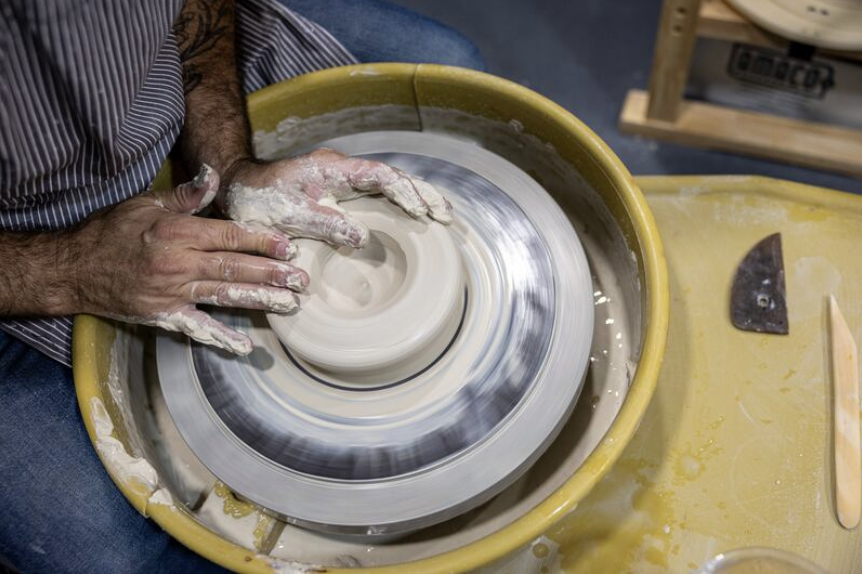
When artist Daniel Hoffman‘s aunt Sheila Rocco passed away in 2011, Hoffman, who was then studying ceramics at Ohio State University, sank into an emotional pit. The only way out, to him, was to create an heirloom that would honor her life.

Weeks later, Hoffman handcrafted a light blue vase, which would be deemed natural for a student of ceramic arts. Only this time, he added a bit of her remains to the glimmering semi-clear glaze, a practice that would go on to define his career, years later.

“It was a super personal way to get started in this field,” Hoffman said. “She was a really special person to me.”

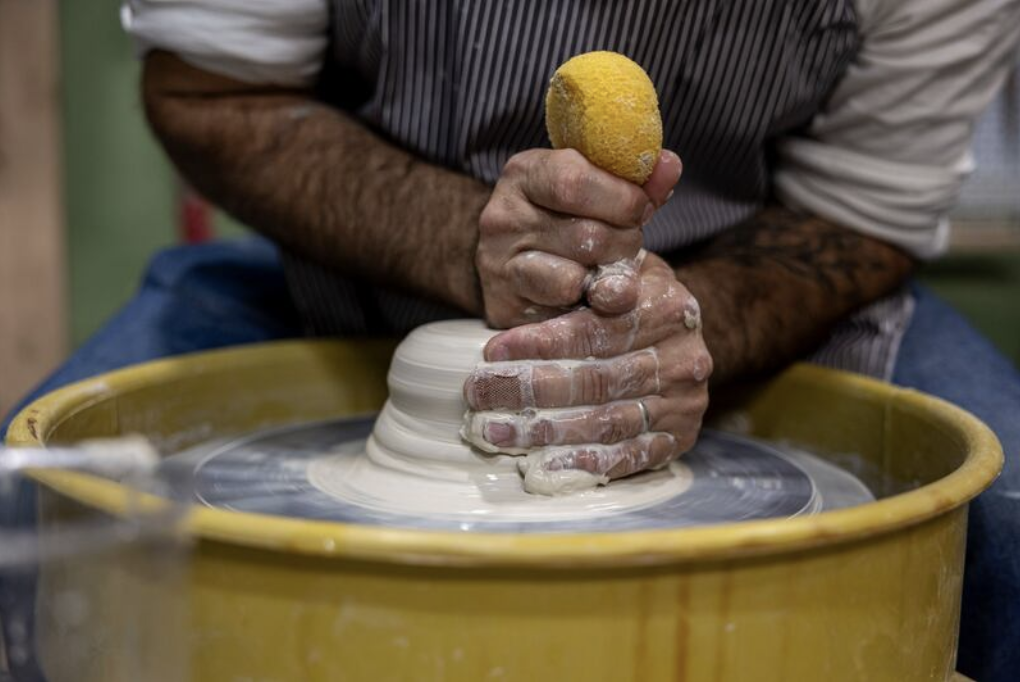
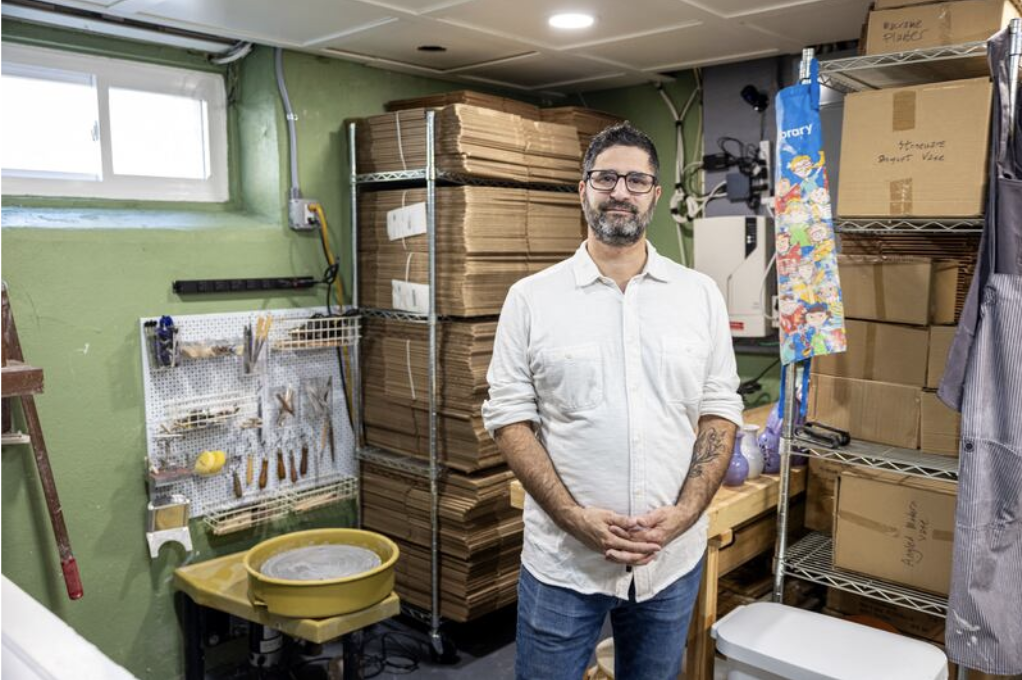
After years of working as a video producer, animator, and creative director, Hoffman established Ahava Memorials in December 2024. He creates multicolored ornaments, twist vases, candle luminaries, and planters in honor of departed loved ones, using their ashes.

“I want customers to really feel that each piece is individual and unique,” the Ardmore-based artist said.

The name Ahava translates to “love” in Hebrew. “It’s an emotional business,” Hoffman said, “and one that requires a layer of trust that few other art specialties do.”

Customers start by selecting a shape and color for the ceramic piece that they think best honors their loved one.

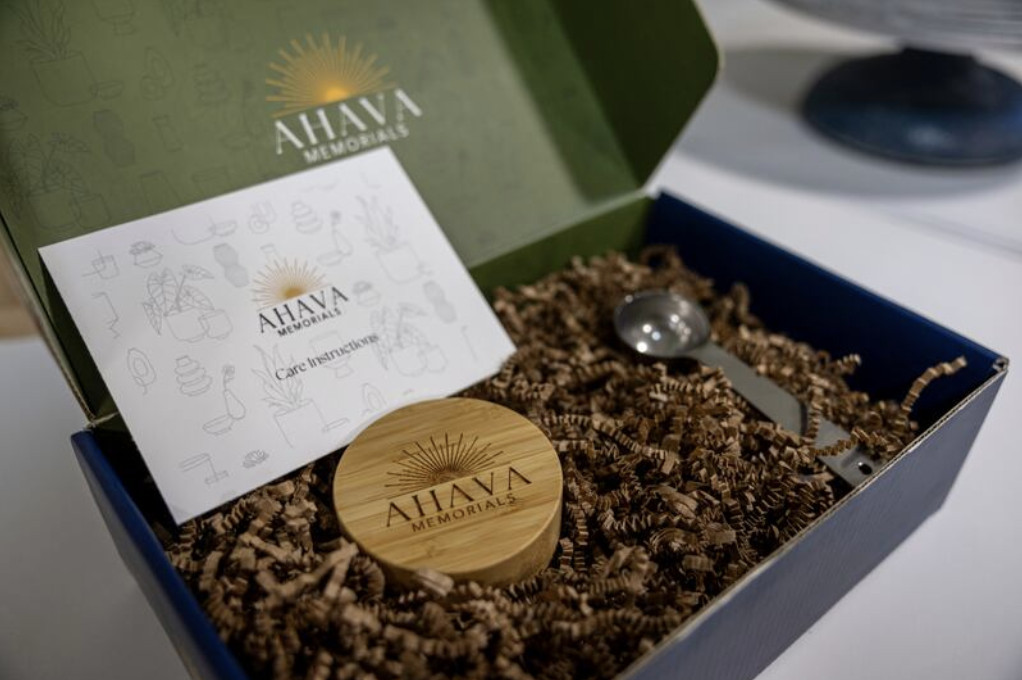
When order requests arrive, Hoffman sends customers a collection kit, along with a personal message assuring them that memories of their loved ones are in trusted hands.

The kit, containing a U.S. Postal Service human remains box, contains a premeasured container for customers to place ashes in. Once shipped, Hoffman picks it up from a secure P.O. box and begins the ceramic-making process.

That process involves melding bone ash into a glaze-covered ceramic, using a technique first used in the late-18th century by bone china potter Josiah Spode. But instead of forming cattle bones into hardened clay, as Spode did, Hoffman integrates and seals the ashes into a glaze.

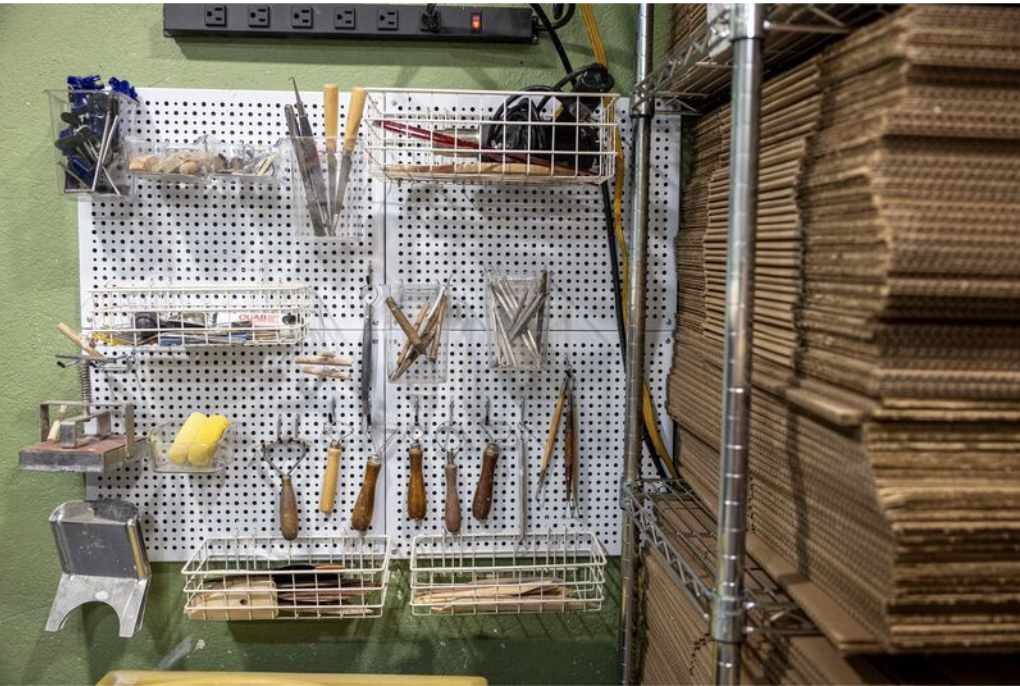
The glaze is then hand-brushed onto a premade ceramic object and placed in a kiln. Once the kiln reaches roughly 1,886° Fahrenheit, the ash-infused glaze is firmly coated onto the ceramic, which becomes the final memorial object.

Among Hoffman’s most popular designs are blue, green, and red-coated vases, ornaments, and planters honoring beloved people and pets.

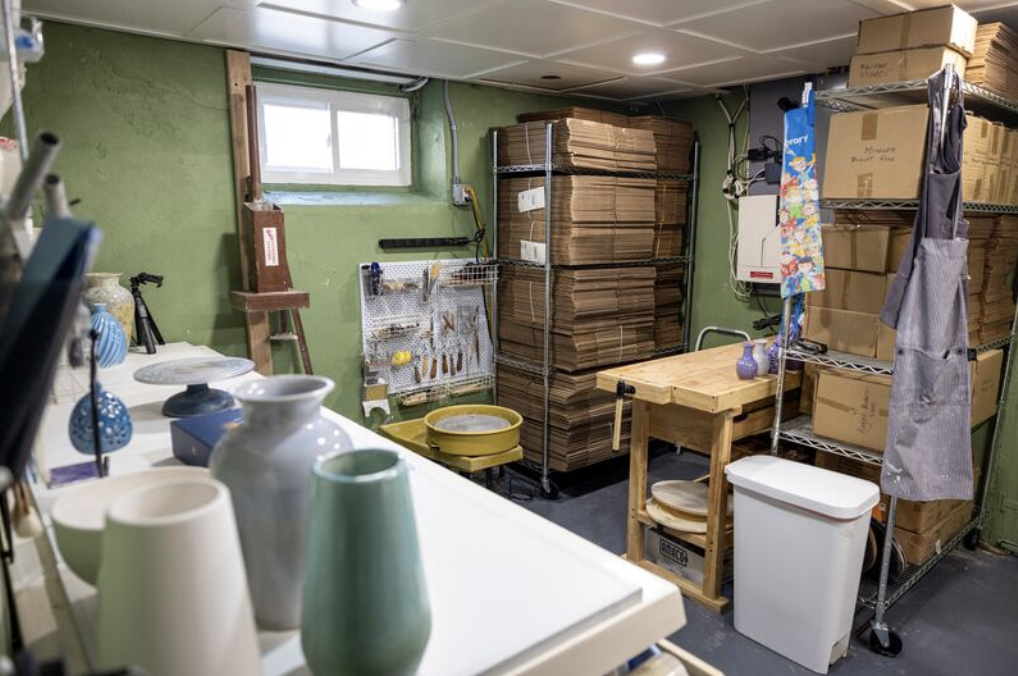
The process, Hoffman said, is a “ton of trial and error.” He spent months building out his home studio and perfecting reliable glaze techniques that would help him create perfect shades of pinks, blues, and reds. And as he’s grown more comfortable with his newly formed designs over the past year, Hoffman’s customer base and offerings have expanded.

Along with new colors and design options, he now casts multiple ceramic objects with one set of remains, and even integrates multiple remains into one design.

Hoffman said he wanted his products to be accessible to everyday buyers. Prices range between $210 and $745, depending on the desired shape, color, and size.

With more people entrusting him with these projects, Hoffman said it has become an even more enriching experience.

“It feels like they’re giving to me as much as I’m giving to them when I make a product for them,” he said. “It’s a special relationship with this product.”

While memorial ceramics seemed like a destined path for Hoffman in college, he never envisioned using his artistic gifts in this way.

“There are a million ways to make a career in the arts,” Hoffman said. “I just kind of found my way doing this.”

He first toiled with clay art as a teenager at Fleisher Art Memorial in South Philly, where he was taught by former chief U.S. Mint engraver Frank Gasparo, who inspired him to pursue a career in ceramics.

After graduating from Temple University and Ohio State, he ventured into studio art, video production, and animation, which led to a role at Comcast as the designer of Jumbotron motion graphics.

It wasn’t until he was laid off as Five Below’s creative director that his passion for memorial-style ceramics was renewed. This time, he was determined to turn it into a full-fledged business.

“I parked this idea for a long time. I tried building it on the side while I was working, but that just wasn’t happening,” he said.

Hoffman said the first phase of production was “hectic,” but with Ahava in full swing now, he is able to forge the kind of relationships with his customers that he first intended. Helping people through grief “feels like an act of giving,” he said.

As the business expands, Hoffman plans to collaborate with crematoriums in the area and dedicate most of his time to creating new products.

He wants to integrate more shapes, colors, and designs into Ahava Memorials, so that the pieces are even more personal to his customers.

The 8 Seconds Rodeo makes its debut in ‘the grittiest and most soulful city’

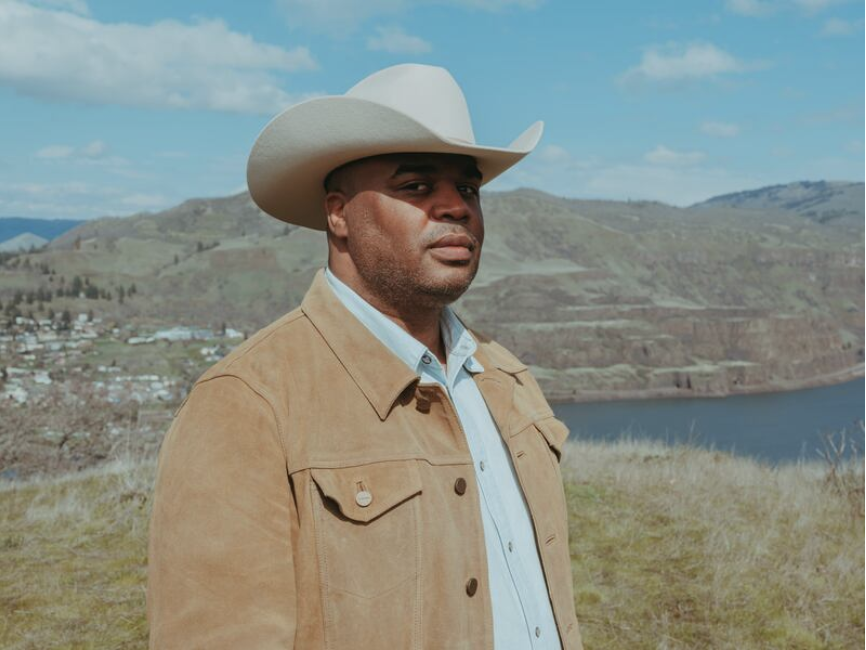
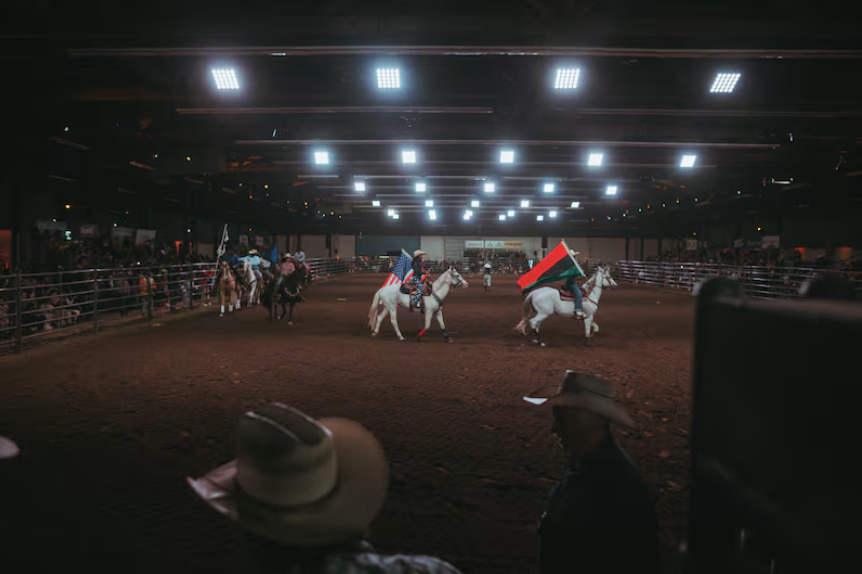
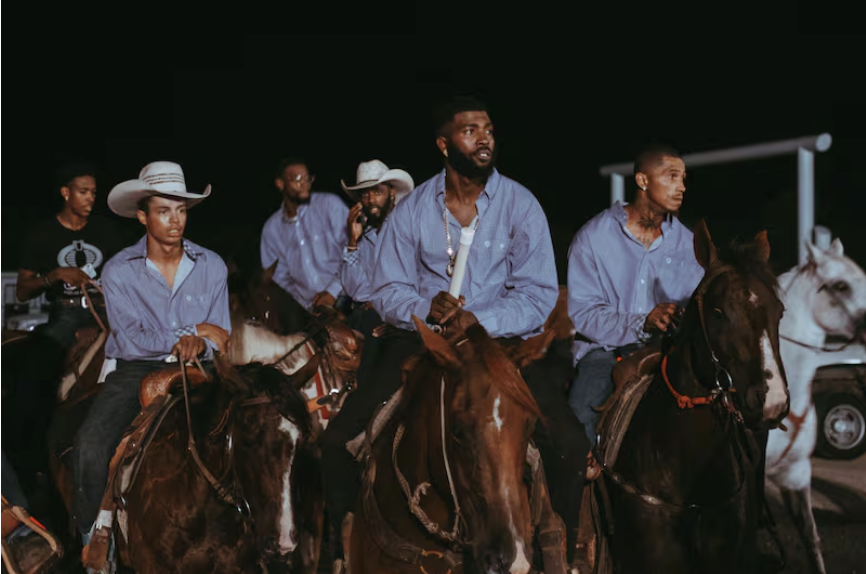
Ivan McClellan has had two million pounds of dirt to fill Temple University’s Liacouras Center for a “radically Black rodeo” on Saturday, along with 15 bulls, six broncos, 10 sheep, and more than 20 horses.

It has been a decade since he first fell in love with the Black rodeo on a 105-degree day in Okmulgee, Okla. The Portland, Ore., native was photographing the Black cowboys and cowgirls from the grandstands of the Roy LeBlanc Invitational Rodeo.

As they rode in Timberland boots at a speed of 50 miles per hour, braids flowing behind them, and their starched T-shirts crunching as their arms rose in suspension, McClellan realized there was a story that needed more unearthing.

“I got obsessed with rodeo culture at that point,” he said.

Black cowboy culture has existed since the beginnings of the American South, but McClellan felt there was a story that history books widely overlooked. He wanted to spotlight Black cowboys of the past and the rodeo athletes of today, from America’s Great Plains to those in the country’s largest urban centers.

With every rodeo he attended, he made more images and forged new relationships with cowboys and organizers, who inspired him to start a Black rodeo show of his own.

In 2023, he founded 8 Seconds Rodeo to highlight the essence of Black cowboy life, offer Black athletes higher wages than they were accustomed to, and introduce the world of Black cowboy culture to those unfamiliar with its extensive history.

That first rodeo at the Portland Convention Center drew a sold-out crowd of 2,000 attendees for an “electric” all-Black rodeo experience.

“This is not a reclamation story,” McClellan said. “This is something that we’ve always done, and something we’ve always had as Black people. We’re putting a light on it and letting people know it’s part of our identity. If you put on cowboy boots and a hat, you’re just putting on your grandpa’s clothes, and it’s OK.”

After selling out shows on the West Coast, McClellan — who recently moved to Chester County — teamed up with local equestrian and longtime friend Erin “Concrete Cowgirl” Brown to merge Western-style rodeo with Philly’s urban cowboy culture.

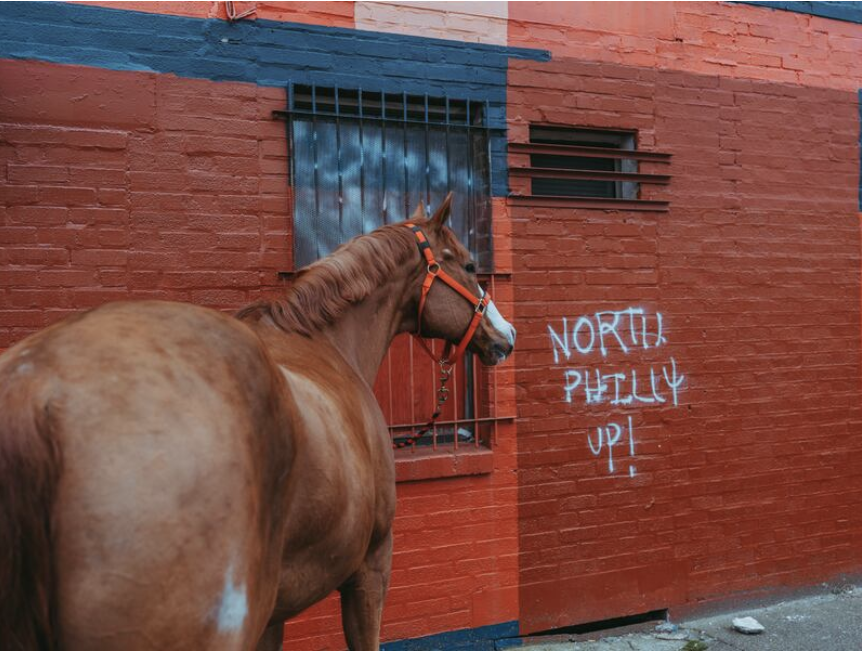
With Brown as his tour guide, McClellan ventured to the original home of the Fletcher Street Urban Riding Club, a famed institution for Black cowboys in the heart of North Philadelphia’s Strawberry Mansion neighborhood.

For decades, Black horsemen have roamed the streets of Strawberry Mansion and the nearby lushes at Fairmount Park. Several Black-owned stables have populated the area throughout the 20th century, where lessons on horsemanship and urban cowboy history were shared among riders young and old.

Brown started visiting the Fletcher Street stable at age 6.

And when the story of Fletcher Street and the city’s Black cowboy tradition was made into Netflix’s 2021 film Concrete Cowboy, Brown served as a consultant.

“We’ve achieved a lot in Portland, but I wanted to go to the grittiest and most soulful city in the world to see what we could do,” he said. “We’re going to throw down, the athletes are going to compete at the highest of their abilities, and I’m most excited about the crowd because of the city’s history and vibe.”

Philly’s, McClellan said, is a cowboy culture you don’t see anywhere else in America, and he’s excited to integrate that urban riding culture into Saturday’s event.

“It’s just the swagger of the riders here,” he said. “It’s got a lot of hip-hop in it, and that’s definitely something that has inspired us.”

Brown, who will bear the Pan-African flag to kick off 8 Seconds Rodeo, said the show is a natural fit given the city’s unique history and the recent commercialization of the Black cowboy.

“It’s major,” Brown said. “Cowboy and urban horse culture has been a thing way before I was born, but it’s more mainstream now with Beyoncé and everything coming forth. But what other city to do it than Philadelphia? It’s one of the largest cities, so why not?”

The one-day experience in Philly will feature rodeo athletes from around the country competing in bull riding, barrel racing, and bareback bronco riding for a total of $60,000 in prize money. There will also be a community pre-show that will have line dancing, mechanical bull riding, and roping instructions from fellow rodeo vets, and sounds from Philly’s DJ Diamond Kutz.

“You didn’t get those Fashion Nova and Boot Barn boots to sit in your seat. Come out early for community,” McClellan joked.

This event isn’t just a one-off, McClellan said. 8 Seconds Rodeo is going to be a mainstay event, and one he hopes becomes a place of community and celebration for Black Philadelphians who are familiar and new to the world of rodeo.

“We’re not bringing a rodeo to Philly. We’re building a rodeo in Philly,” he said. “We’re an unapologetically Black cultural event, and this one is going to be an unapologetically Philly event.”

– The Philadelphia Inquirer

The urban designer whose weekly work commute is a trip from Philadelphia to Atlanta, and back

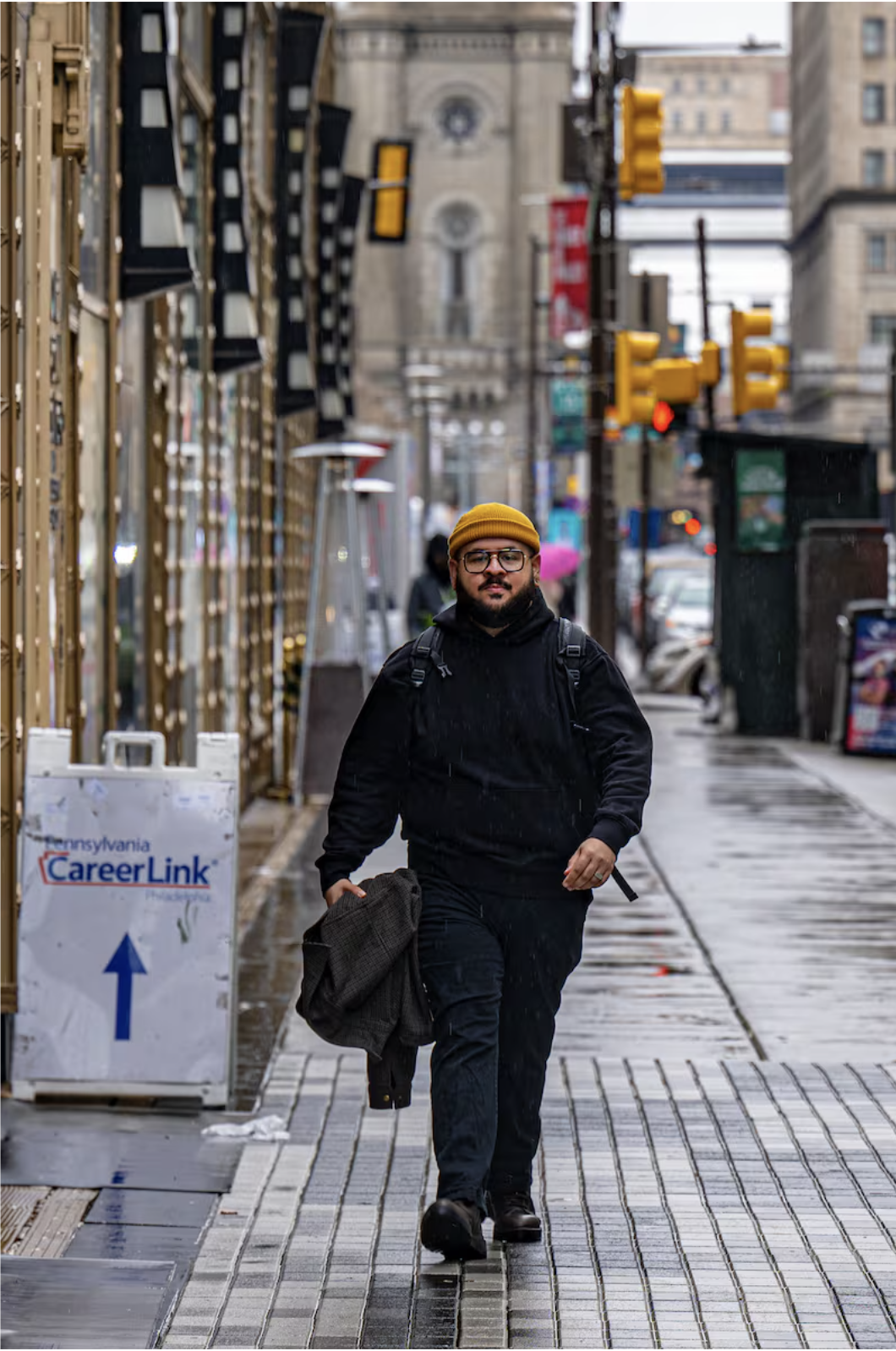
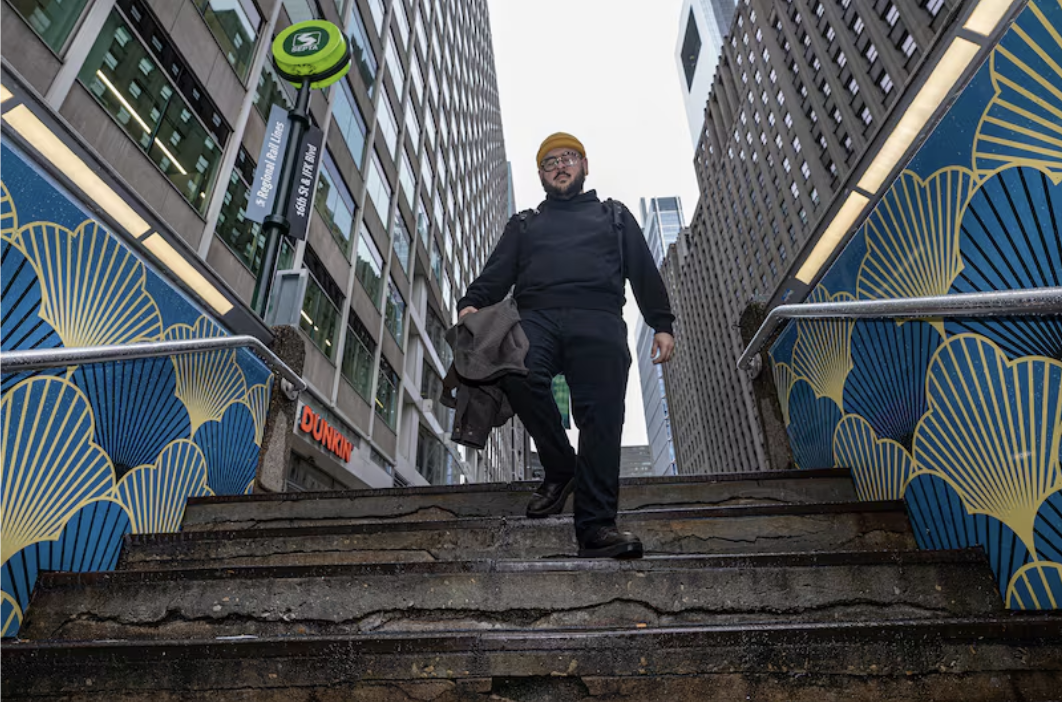
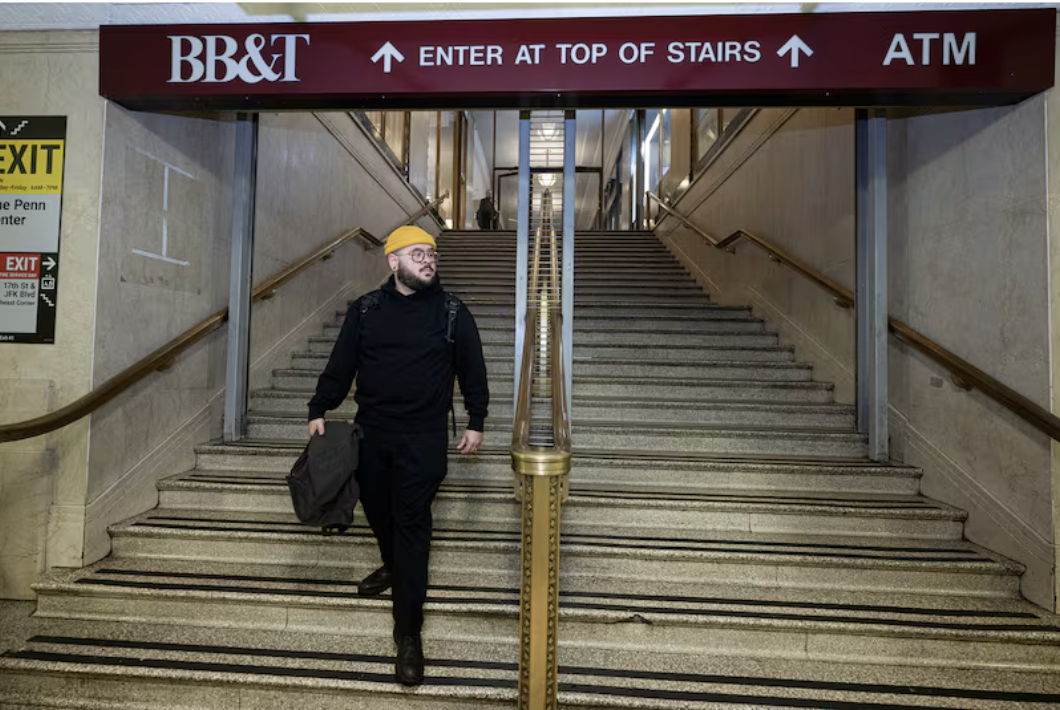
Philadelphia’s congested highways or crowded SEPTA platforms don’t get in the way of Daniel Rodriguez’s commute to work.

That’s because the Philadelphia-based urban designer’s commute between his firm’s two offices consists of two flights, two trains, and a bus across two states each week.

Rodriguez, who lives with his wife in their Jewelers’ Row apartment, ping pongs between his home (and his Center City office) in Philadelphia and his office in midtown Atlanta, twice a week.

Rather than moving to Georgia or embracing a simpler hybrid work-life balance, Rodriguez prefers an 800-mile trek to work that doesn’t have him dealing with Philly rush hour traffic and the restrictions car owners face.

“I want to live a life that’s intentionally, anti-whatever everybody else is doing,” Rodriguez said. “I feel like there are problems in society, and this is one of them that just trickles and affects so many things in our personal and professional lives. It’s not anti-car. It’s really about getting away from the dependency and focusing on building systems that help people move. That’s my whole philosophy.”

Rodriguez, who grew up in Bayamon, Puerto Rico, said it’s a lifestyle driven by the independence and movement he felt was missing in his youth.

The geographical barriers of the island often led to feelings of physical and mental entrapment as a child.

“Where I come from, I’ve never seen people so hungry to have something in life, with no ability to achieve it,” he said. “And I’m willing to do extreme things to do that.”

In May, the 34-year-old began posting videos of his travels to and from Philadelphia and Atlanta. His TikTok and Instagram posts have drawn millions of viewers, with hundreds of users questioning how Rodriguez balances his workload and travels.

His schedule varies each week, but he usually flies into Atlanta on Sunday nights and returns to Philadelphia on Tuesday nights. Sometimes, he will fly out on Monday morning and return on Wednesday morning. He also does additional same-day round-trips a couple of times a month.

The planning for his trips to Atlanta begins the night before. Rodriguez packs his bags and puts toothpaste on his toothbrush before going to bed.

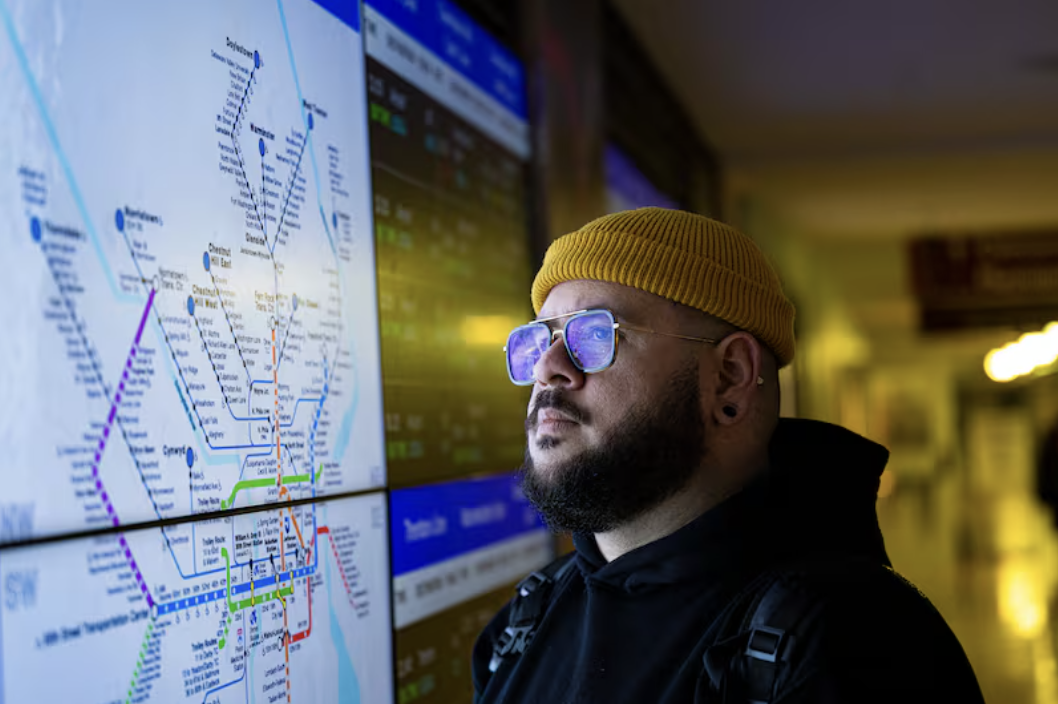
He wakes up at 4 a.m., grabs his belongings, and walks to the Suburban Station. Here he boards the train to the Philadelphia International Airport and lands in Terminal F for his flight to Atlanta. He does have to factor in the regular delays.

“Terminal F is like the dingleberry of Philadelphia. It’s the last one at the airport, and really far,” he joked.

After the 90-minute flight to Atlanta, he walks over to the Metropolitan Atlanta Rapid Transit Authority platform for a 30-minute train ride to his company office in midtown Atlanta.

He’s not completely “anti-car,” he insists. He often rents a Zipcar for small errands and to explore Atlanta restaurants, art galleries, and sites that feed his architectural interests.

“I’m more along the lines of, ‘I don’t want to be dependent on a car,’” he said. “I don’t want to put my money toward that. I’d rather put that into something else, and suffer the consequences.”

Once his work day is finished, he either uses ride-share or takes a one-and-a-half-hour bus ride to a friend’s apartment in Decatur, arriving around 9 p.m. And before he rests his head for the night, Rodriguez begins his routine all over again for his return to Philly the following morning.

Rodriguez said his travel costs come out to about $180 each week, with the most significant barrier being the time and energy he spends to balance out his travels.

“It’s not unachievable,” Rodriguez said. “I feel like the pain point for a lot of people is the time. People don’t want to spend the time.”

Rodriguez didn’t always live like this. His super commute began after years of uncertainty. He moved to Philadelphia in 2022, and between 2023 and 2025, Rodriguez was laid off twice, incurring thousands of dollars in debt.

“I wasn’t even paycheck to paycheck anymore. I was living in the negative,” he said.

After another eight months of job hunting, he was at a crossroads. With limited jobs in his industry in Philly, he applied for roles in other cities.

He applied to an urban design firm in Atlanta, and the week his unemployment ran out, he landed his current role in May 2025. While the company has an office in Center City, the Atlanta location was the only one hiring in his specific field.

Rodriguez consults on transportation, green space, urban design, and master planning in Atlanta and other cities along the East Coast.

While the demands of the commute were challenging at first, Rodriguez believes he has made a decision that works for him. “I have my wife here, and I don’t want to uproot her,” he said.

Since he started making videos of his commute, his world has “completely flipped,” Rodriguez said.

He’s landed brand deals with travel-based companies and has spoken in various cities across the country about how fellow millennials can traverse the country without the burden of a vehicle.

Rodriguez plans to become a content creator full-time to encourage viewers across YouTube, Instagram, TikTok, and other platforms to avoid the pitfalls of car ownership.

His ambitions haven’t gone unchecked. Environmentalists who watch his videos often point to the carbon footprint he leaves behind, despite his aversion to car ownership.

Rodriguez admits his lifestyle could be viewed as contradictory. His modes of travel contribute to gas emissions, but he contends he’s not the sole source of the issue, simply a product of a system already in place.

“I did not pass the laws that allow oil barons to drive or force corporations to fuel jets that release stored carbon,” he said. “I am a participant in society, and there is no fully ethical way to exist within it.”

While he understands people’s precaution and confusion, Rodriguez is confident his weekly commute and lifestyle will work as well for others as they do for him.

“I love to create. I love to build. And I don’t want to do anything where you’re just staying still,” he said.

– The Philadelphia Inquirer
A tree that bears 40 different fruits takes root in the Temple campus

Artist Sam Van Aken grew up on his family’s farm in Douglassville, Pa.

As a result, his favored medium to create art is a process called tree grafting. It involves taking a scion, or a desired piece of one plant, and combining it with the rootstock of another. The fusion creates a single plant that either sprouts the same fruit or shares elements of the both the trees.

He was introduced to tree grafting as a kid on the farm, spending years nurturing fruit trees from seed to full bloom.

He explored other mediums for his art, but kept returning to grafting. “It always stuck in my head,” Van Aken said. “I thought it was miraculous that you could take a part of one living thing, cut it, insert it, and stick it on to another living thing. It was absolutely fascinating to me.”

Only he didn’t stop at two combinations. Van Aken, an associate professor in Syracuse University’s art department created Tree of 40 Fruit, a live tree that sprouts 40 different stone fruits, thanks to grafting.

“I always felt like I worked in partnership with the tree, but it’s also very much a partnership with the people where the trees are,” Van Aken said.

The first Tree of 40 Fruit was planted in the Syracuse campus in 2011, and there are 25 more of them in locations throughout the country including in Maine, Indiana, New York, and California. The Tree’s latest installation was planted on Temple University’s Tyler School of Art and Architecture campus on March 14.

The Temple Tree will burst out in crimson and white blooms this spring. And by late summer, stone fruits such as peaches, plums, apricots, nectarines, and cherries are likely to sprout from its branches. All the varieties, the artist said, will be specific to the kinds that grow best in Philadelphia weather.

“One hundred years ago we were growing fruit for taste. But now we grow it for how long it will last while it’s shipping, or if it will look good at a grocery store. Taste and nutritional value are like fourth or fifth priority,” Van Aken said.

Along with beautifying the Tyler School courtyard, the live sculpture will be a means of agricultural preservation, as it will grow stone fruit varieties that aren’t commercially produced or widely available. Students will be allowed to pick the fruits and eat them.

The agricultural artist often dives deep into the provenance, or the origins, of specific fruit varieties. Sometimes, it takes him back by 2,000 years.

One story involves the Lenape People who were native to the Philadelphia area. An English settler stumbled on an apple tree they had planted and wanted to buy it. “It didn’t register in their philosophy because you can’t own a tree anymore than you can own air,” Van Aken said.

The cost of reserach, labor, and maintenance of such trees “can be prohibitive for individuals,” Van Aken said. So he primarily aims to place them in public settings. “Placing the trees in a public context also pays tribute to the Lenapy philosophy that no one can own a tree only be gifted from its abundance.”

To ensure Temple’s fruit tree thrives in the Pennsylvania sun, Van Aken found a bulletin from the Pennsylvania Department of Agriculture that was released in the late 19th century. The report listed fruit varieties that were recommended for the Philadelphia area, and those are the ones he used to graft the sculpture.

Climate change, he said, “has become an overwhelming concern.” But it’s not necessarily one that hasn’t been paid heed to in the past. In Gettysburg, the site of the famous Peach Orchard battle, the Sherfy family was monitoring cold hardiness in peaches in the 1870′s “with the idea that long peach blossoms were better for colder climates than short blossomed types.”

Van Aken’s trees usually spend their first three to five years in a nursery, after which the artist carves out a plan to graft them and plant them in soil. Thereon, he visits them four or five years.

“It’s weird,” he said, “but it totally changes your perception of time. I’m like, ‘Oh, that’s a year away?’ and it feels like it’s tomorrow.”

The Tree is part of Tyler’s 8th Annual Jack Wolgin Visiting Artist program, which brings influential artists and thinkers to the campus for a free public lecture and to lead hands-on workshops with Tyler students.

“Sam’s work is absolutely ideal to bring our students together across different to see how those [different] disciplines can be synthesized in the creation of a tree that’s also a sculpture, and is also an embodiment of cultural histories,” Tyler School dean Susan Cahan said. She hoped he would bring students of differing disciplines together for a campus-wide project.

For his project, Van Aken worked with Tyler students to plant an apple tree at Tyler’s campus site in Ambler, Pa. This tree, he said, is composed entirely of apple varieties and will ultimately grow 40 different types of apples originating or historically grown in Southeastern Pennsylvania.

Van Aken, who believes an intimate engagement with nature to be essential, is excited to see how the Temple community members respond to the trees in full bloom.

“Seeing a seed grow into a plant,” he said, “is all the magic you need in the world.”

– The Philadelphia Inquirer