Benjamin Franklin’s oldest surviving letter is on display for the first time, thanks to a former Flyers president
In 1738, Benjamin Franklin wasn’t yet the revolutionary history remembers him to be. It had been 10 years since he had set up a printing house and nine since he began to publish the Pennsylvania Gazette, which often carried a list of his stock of imported books.
On June 2, 1738, he wrote a letter to John Ladd, a 17th century surveyor who helped fellow Quaker William Penn map out the city of Philadelphia, confirming Ladd’s book purchase. Ladd had bought The Ladies Library and the balance of a set of Cervantes, assumed to be John Ozell’s revision of Peter Motteux’s English translation.
Franklin also used the letter to advertise a “beautifully printed” five-volume set of The Odyssey.
“I send you the Ladies Library & the other two Vols. of Don Quixote,” it reads. “The Homers I have are done by Pope. The Iliads are in 6 vols. 12mo price 45/. The Odysseys 5 vols. 12mo price 37/6. They are beautifully printed and neatly bound. I will not part with them until I hear from you.”
This letter of receipt and everyday business, offering a glimpse into Franklin’s career as a prosperous Philadelphia bookseller and printer, belongs to the collection of Jay T. Snider, the former president of the Flyers and Spectacor.
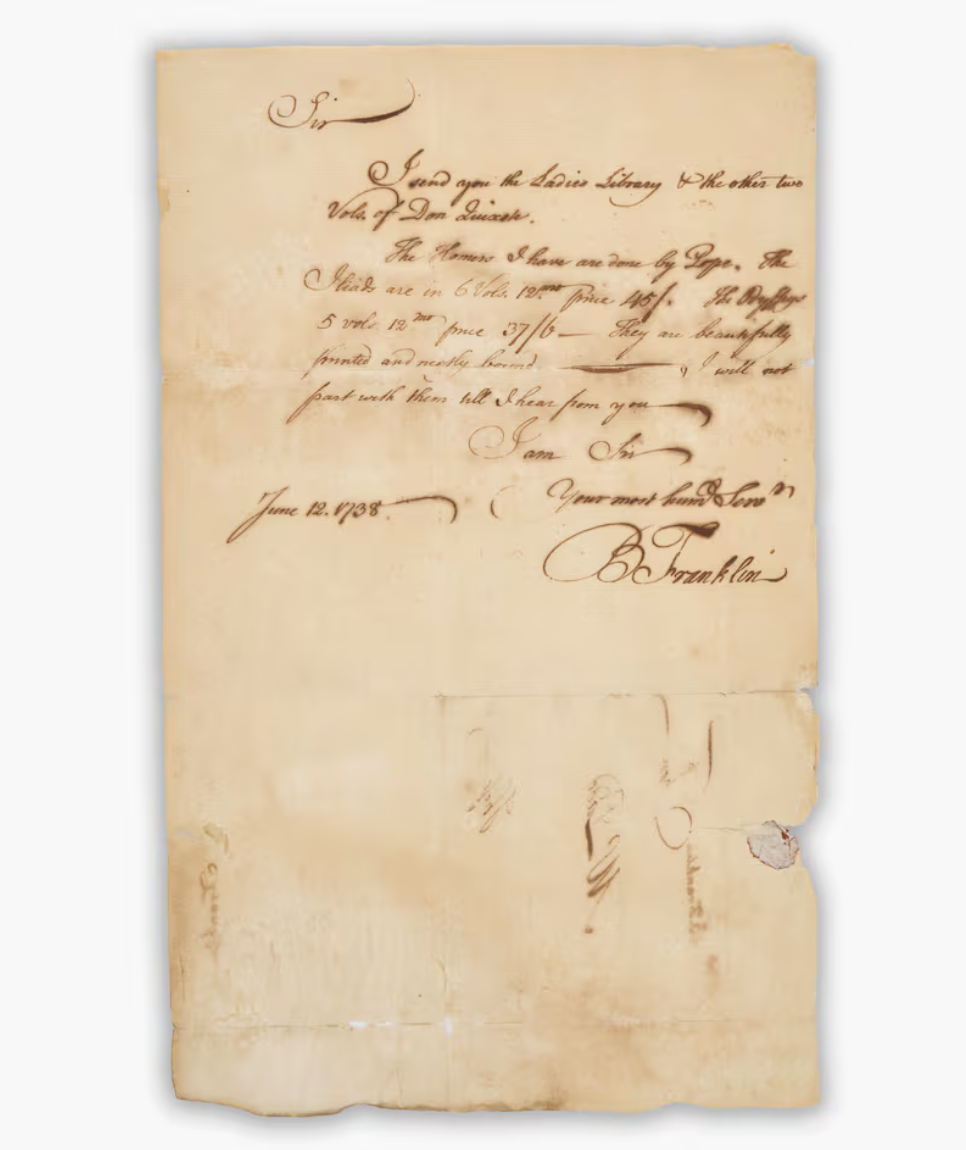
For Snider, who purchased the centuries-old letter from a Los Angeles-based academic nearly a decade ago, Franklin is “an endlessly fascinating human being.”
Two hundred and eighty-eight years after it was written, that letter — along with other highlights from Snider’s extremely valuable private collection of Franklin memorabilia – will be displayed at Library Company of Philadelphia, the institution that the author of the letter founded in 1731.
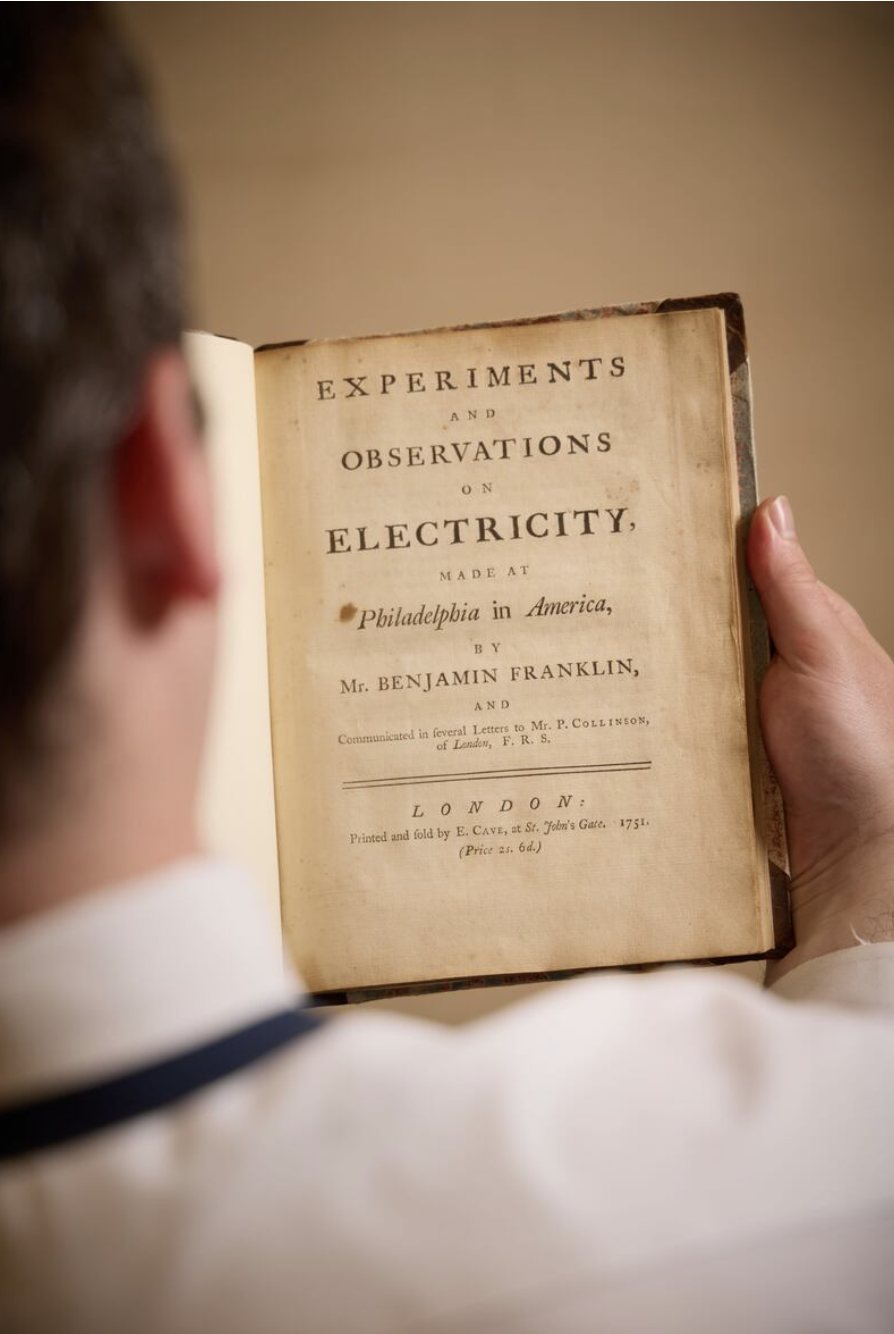
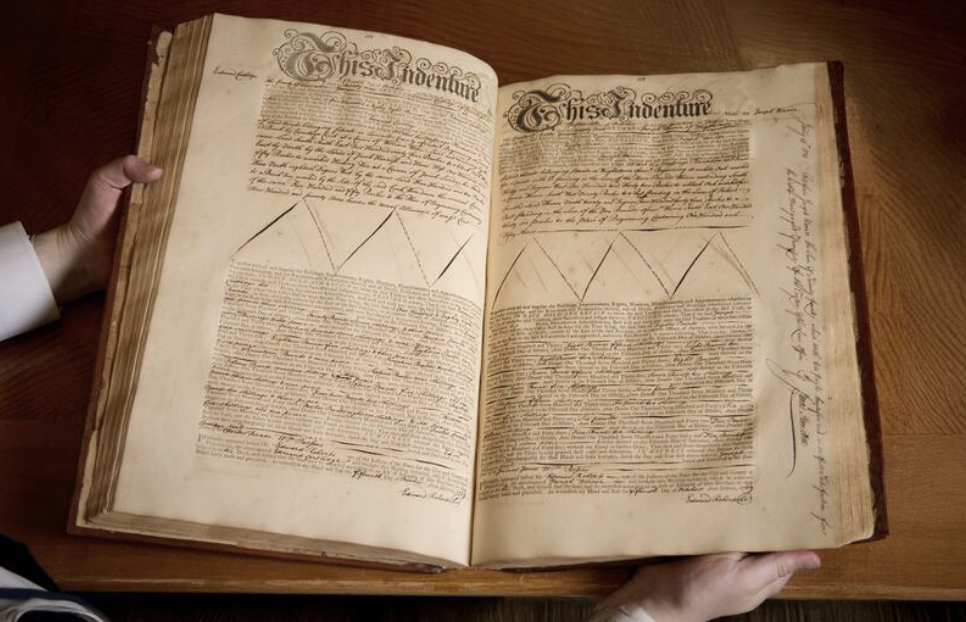
“The Jay T. Snider Collection of Benjamin Franklin” also includes a first edition of Benjamin Franklin’s Experiments and Observations on Electricity, 347 of Franklin’s promissory notes for the Pennsylvania Hospital, and the mortgage register that Franklin made during his first government printing job in 1729, among others.
The 1738 letter to Ladd is one of Franklin’s earliest letters to survive, and the earliest to ever come to auction, per the auction house Sotheby’s which will be auctioning parts of Snider’s collection next month.
“It’s the earliest Franklin letter I’ve ever seen. There hasn’t been an earlier one in the market since I’ve been collecting,” said Snider, whose collection, Sotheby’s calls “the best assemblage of Frankliniana offered for sale at auction in over 120 years.”
“Franklin’s letters turn up with some regularity. But to find one from the 1730s is essentially impossible,” said Selby Kiffer, senior international specialist for books and manuscripts at Sotheby’s.
A childhood passion to an adult collection
Like many kids growing up in the late 1950s, Snider was enamored with stories of cowboys and Native Americans, a passion that carried over into adulthood.
After graduating from the Wharton School in 1979, he began to collect books about American’s Western expansion. He started with Astoria by Washington Irving, which detailed Germany-born, American businessman John Jacob Astor’s failed attempt to establish a fur trading empire in the Pacific Northwest.
He read through dense bibliographies and bought more books on the subject, eventually finding an interest in the nation’s formation.
“Philadelphia is critical to that [history],” Snider said. “Philadelphia was central to our revolution and also the history before that. And then of course, I’m from Philadelphia.”
He soon narrowed his collection’s focus to Philadelphia, and eventually Franklin, after meeting Martin P. Snyder, who was a life-long Philadelphian who collected rarities such as the first edition of William Birch’s Views of Philadelphia, and other 19th century maps, engravings, and lithography.
Snider purchased the late collector’s materials in 2004 and auctioned several artifacts from it in a 2005 Christie’s auction, but held back Franklin’s items.
“That really became the greatest passion I’ve had in this,” he said.
His collection, Snider said, has included items he purchased for $10, and others — like George Washington’s letter to Benjamin Franklin, introducing him to the French military officer, Marquis de Lafayette — that Sotheby’s sold for over $1 million earlier this year.
“And I love them both equally,” Snider said.
‘Not a checklist collection’
The Library Company exhibition will mark the first time this material will be displayed for public view in Philadelphia. It will then travel to New York for an exhibition at Sotheby’s between June 20-24 before the auction.
Kiffer said Snider’s isn’t a “checklist collection,” but traces Franklin’s story as a book and almanac publisher to his life as a civic leader and scientist, postmaster, and diplomat.
Given Franklin’s connection to Philadelphia, Kiffer said it was important to bring the exhibition to the city before the New York auction.
“Philadelphia was the only possibility,” Kiffer said. “[Franklin] is in the city’s DNA, and to have the sale and exhibition limited to New York City, Franklin and Philadelphia deserve more.”
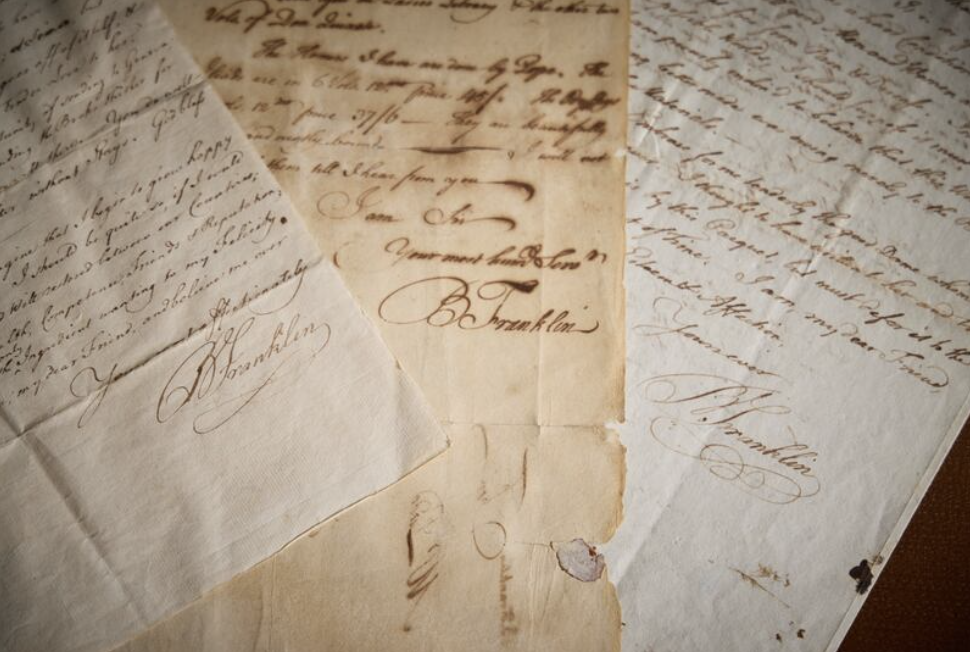
While the ultimate goal is to attract buyers for the collection, projected to total anywhere between $3 to 4.5 million, Snider said he hopes the highlights from his collection rekindle visitors’ interest in American history, and show them a side of Franklin that isn’t widely known.
“It’s always been my feeling that too many things end up on shelves somewhere, or in drawers. Somewhere that no one ever gets to see again. I’m hoping people just enjoy connecting with Philadelphia.”
“Highlights of the The Jay T. Snider Collection of Benjamin Franklin” is on view from May 5-7 at the Library Company of Philadelphia, 1314 Locust St. sothebys.com


