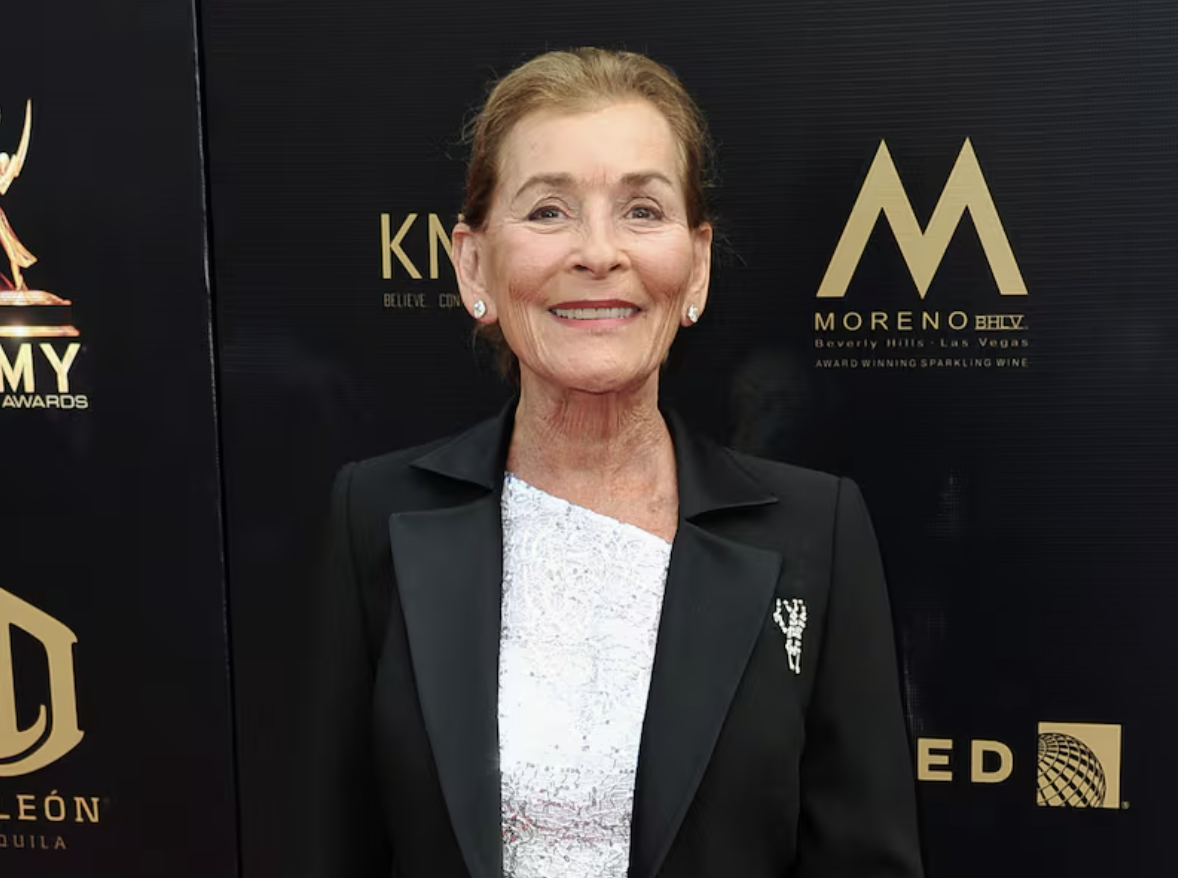
Amanda Seyfried, star of ‘Long Bright River,’ is glad she didn’t have to put on the Philly accent

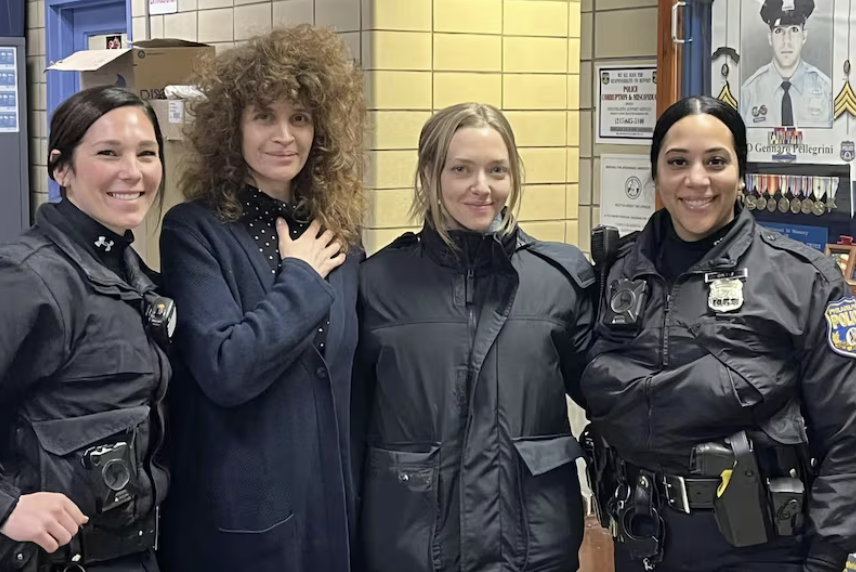
Emmy-winning actress Amanda Seyfried sat in the backseat of a patrol car for a ride along with two Philadelphia police officers through Kensington.

Within minutes of the car pulling out of the precinct, there was a slight jolt. A driver had hit the patrol car, and Seyfried watched as the officers handled the situation with “humility” and “discretion.”

“I was asking a lot of questions, and they had a lot of answers about how to treat people,” she said. “The way they communicated, reacted to situations, and the patience they had as humanized police officers. We need to see the good ones, too.”

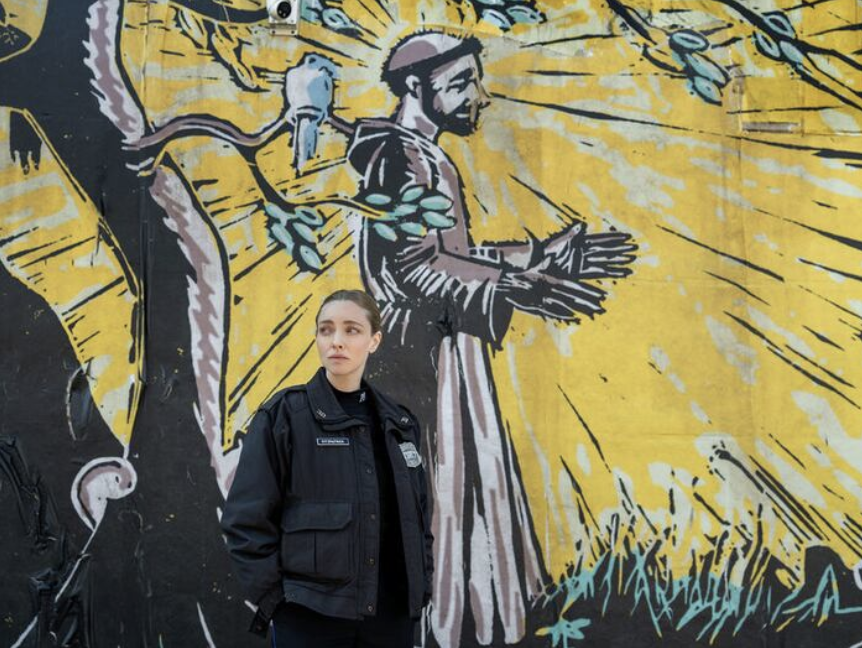
The actress, who rose to movie stardom after her breakout role as Karen Smith in the original Mean Girls, said the eye-opening tour through the 26th Police District prepared her for a “dream role” in Peacock’s new Kensington-set drama, Long Bright River.

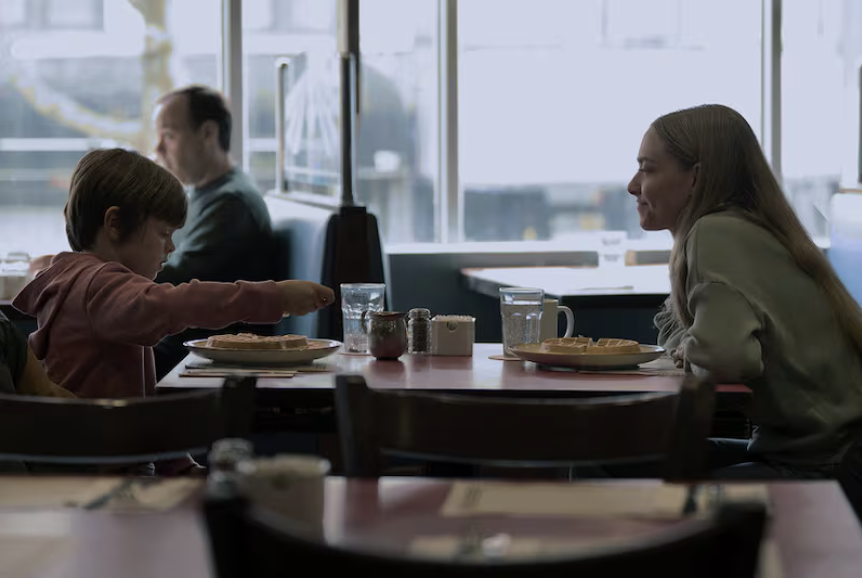
Seyfried plays Michaela “Mickey” Fitzpatrick, a patrol officer who discovers a string of murders in Kensington’s drug market. As Mickey attempts to locate the killer, and find her missing sister Kacey (Ashleigh Cummings), she confronts dark memories from her childhood spent in the neighborhood.

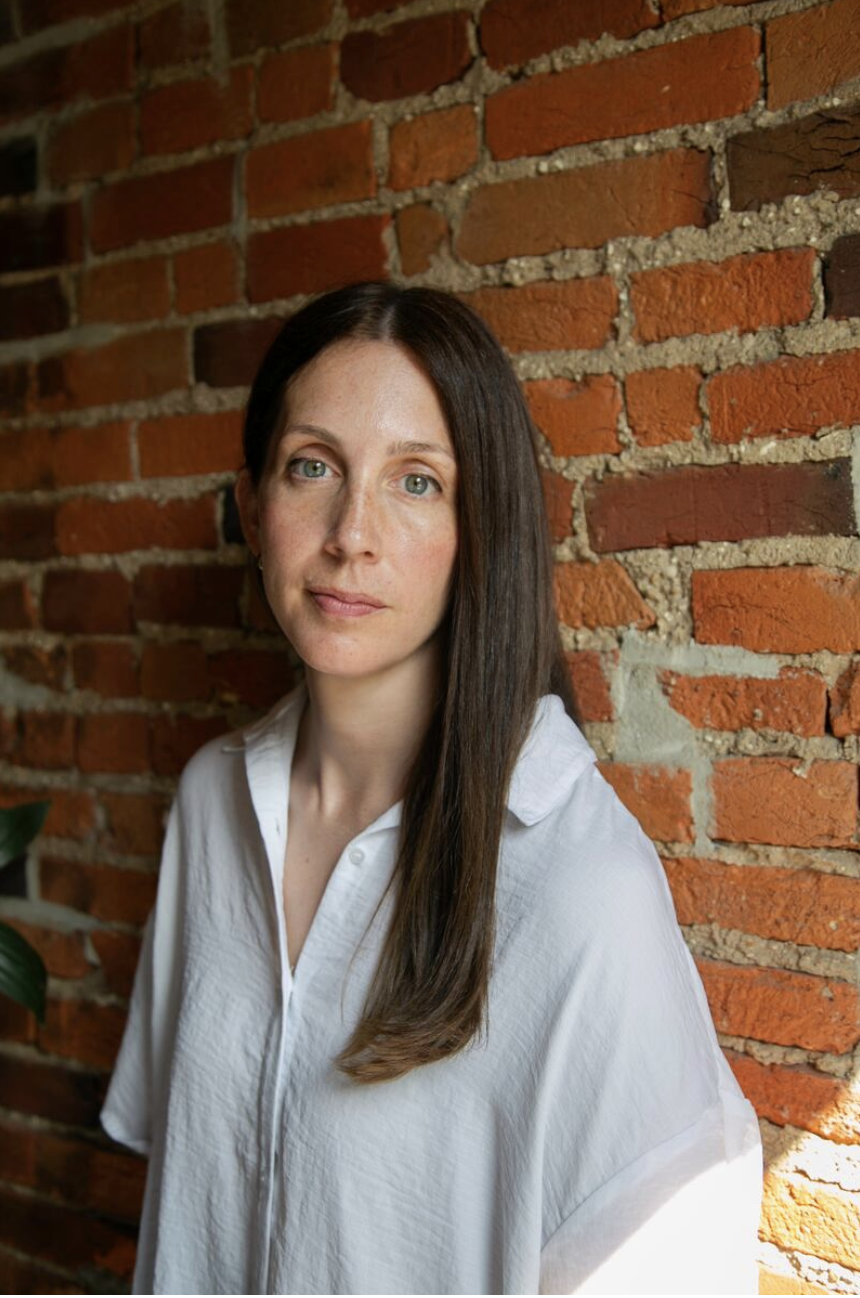
The series, adapted from Philly author Liz Moore’s award-winning book of the same name, is close to home for Seyfried. The Allentown native grew up 60 miles north of Philly and was sold on Moore’s grounded portrayal of Kensington’s opioid crisis.

“It feels so local and important,” Seyfried said. “It’s a beautiful book that’s grounded in reality, and it’s an important story to tell. The perspective from a beat police officer in Kensington is interesting, and [playing] a female police officer has been a dream of mine. All the elements were there.”

Seyfried said Mickey is one of the more complex and challenging characters she’s had to play. She’s an “unlikable” character, whose past trauma and severed relationships have hardened her personality almost entirely.

“It’s hard to play her because I can’t fall back on a lot of the same tricks that I have when I’m playing a real person,” Seyfried said. “I’m not playing a character that we know. I’m playing a version of myself, and I struggled with keeping the metaphorical hat on. It was tricky.”

Seyfried leaned into their few commonalities. Like Mickey, Seyfried is a mother of two and an admitted control freak. Embracing the character’s dark past was admittedly hard.

“She has a completely different past than I do, and I had to fight to remember what I was, to keep hold of her story. It was a lot of emotional stuff,” she said. “It was a totally new uniform for me, metaphorically and as a literal police uniform.”

Moore’s presence on the set, Seyfried said, made it easier. The book is drawn from the novelist’s own experience of volunteering in Kensington, as well as her family’s history with addiction.

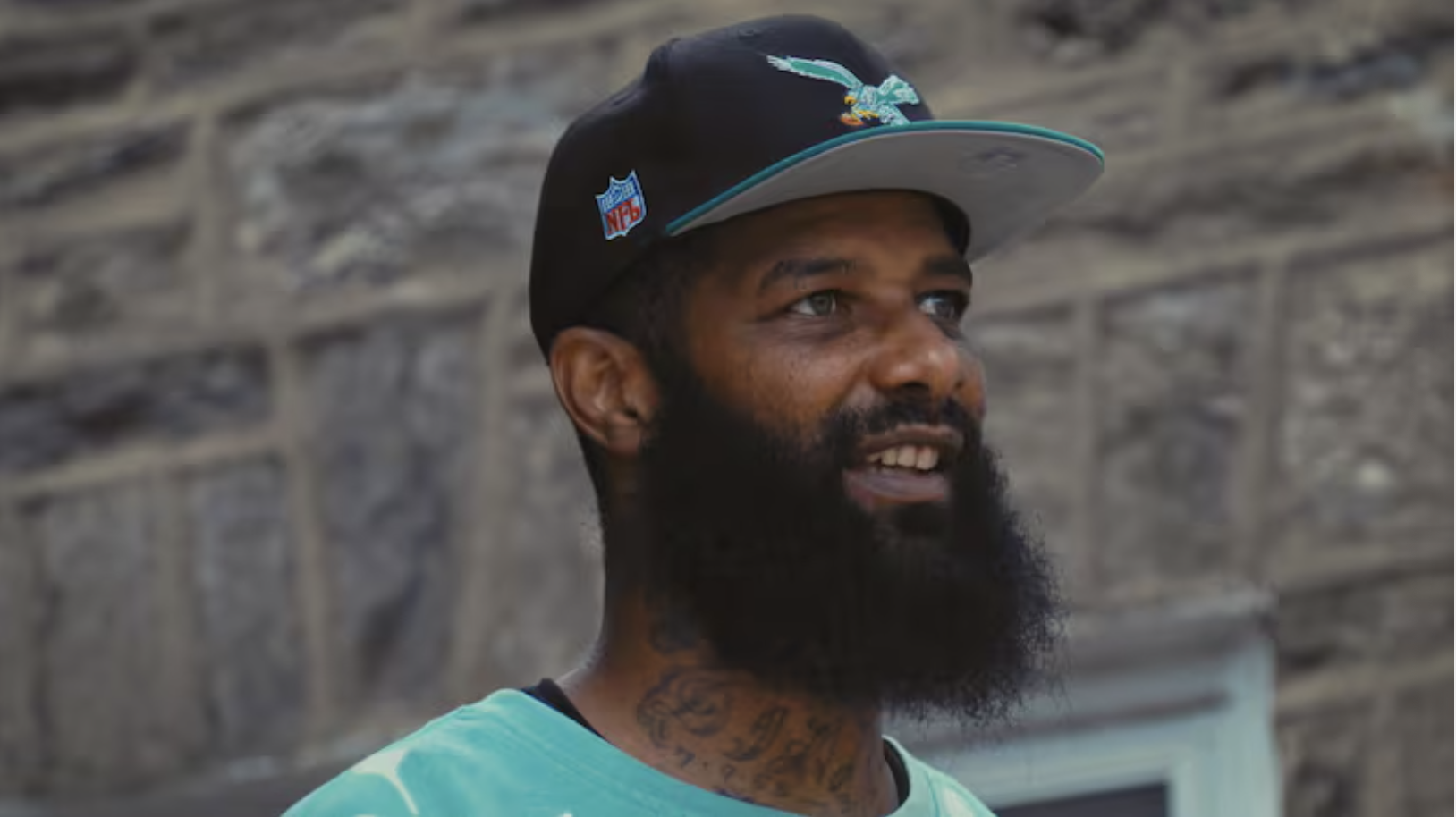
Moore’s involvement helped bring Philly to their filming location in New York City. As executive producer and co-creator of the series, Moore recruited local community members like Franciscan priest Father Michael Duffy and Philly rapper OT The Real for roles in the show. She also tapped organizations like Savage Sisters Recovery and the House of Grace Catholic Worker, which added to the show’s authenticity.

“We brought Philly to us,” Seyfried said. “I’m really proud of the people who never acted before that are in the show. I’m proud of the strength that Liz had to keep everything in line with Philly, and to bring us all together to put a spotlight on this neighborhood.”

When things veered off-center, Moore stepped in as the Philly aficionado. “Whoever was directing the episode at the time, she would always bring us back to Philly because Philly is a character in and of itself.”

To makes things a little easier, Seyfried wasn’t tasked with mastering the Philly accent. But Cummings, Seyfried’s Saudi Arabia-born and Australia-raised costar, didn’t have a choice.

“I don’t know what the [accent’s] elements are,” Seyfried joked. “It’s like things are [pronounced] a little wider … I definitely think that Mickey not having an accent is really funny, and it goes to show just how much of an outsider she’s felt her whole life.”

But Seyfried is barely an outsider. Filming the series and connecting with the Philly people on set brought back memories of her days in the city, from sleepovers at the Franklin Institute, visits to friends at Temple University, and nights dancing on tables at Center City’s Finn McCools.

She’s hopeful the limited series draws awareness to the issues in Kensington, while also highlighting the city’s beauty.

“I’m in awe of the city, and how it moves and operates. I understand the good and the bad, and in some way I feel like I’m coming home a bit. I can’t help but feel a kinship to the city,” she said.

“Long Bright River” streams on Peacock.

– The Philadelphia Inquirer

The two-man Philly shop responsible for some of the iconic ‘Severance’ furniture

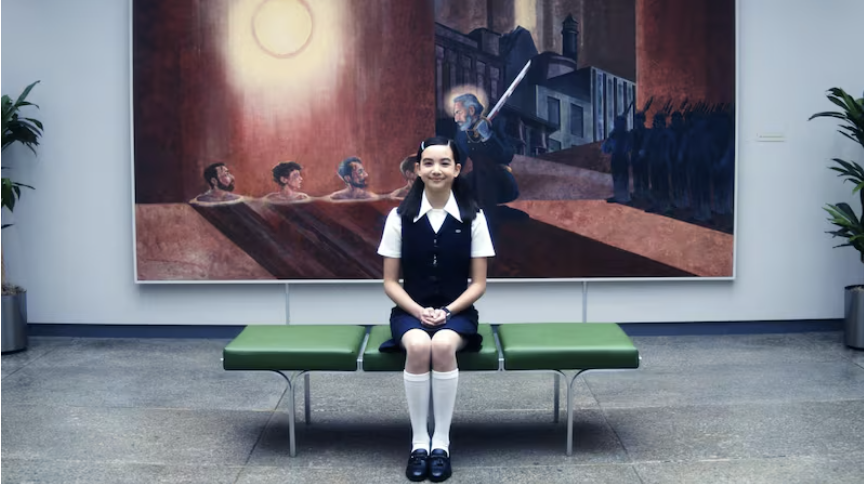
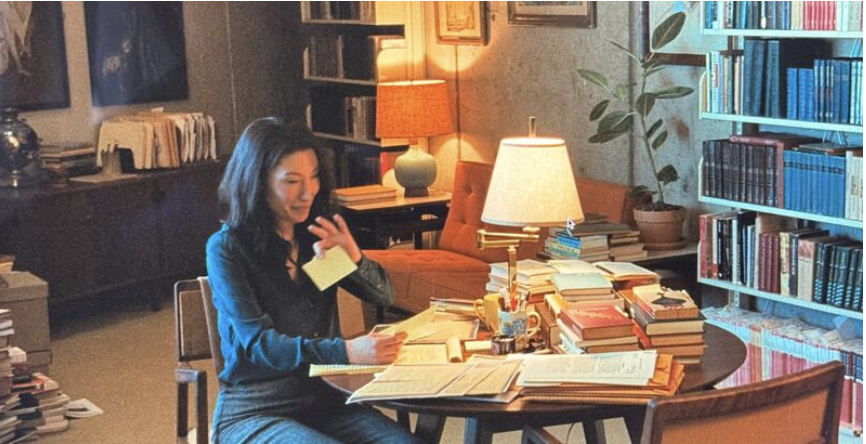
Outside the elevator doors of Lumon Industries’ severed floor, Severance‘s Miss Huang (Sarah Bock) awaits the arrival of Mark Scout (Adam Scott) and the company’s other “microdata refiners.”

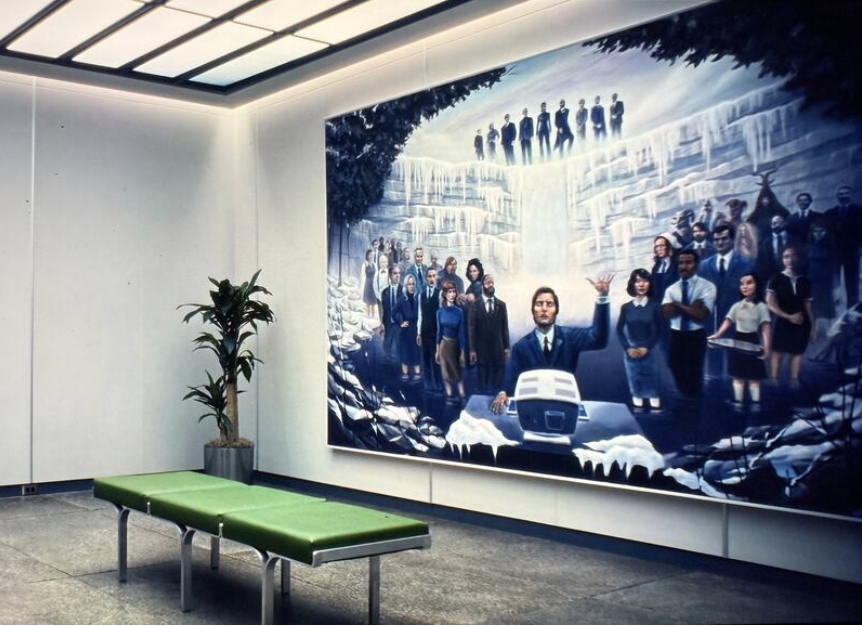
The young deputy manager sits on a green bench, which has made its way to the AppleTV+ series from Columbus, Ind., by way of a Philadelphia shop.

While audiences kept an eye out for stunning revelations, furniture dealers and Rarify founders David Rosenwasser and Jeremy Bilotti squinted their eyes for a sharper look at one of their finds.

Miss Huang’s seat was a modified version of the John Behringer 1961 Link Bench the duo scored in Columbus, which they called the “mecca for modern architecture.”

“That was the first piece we saw sequentially that we were like, ‘Oh shoot, there it is!‘,” Rosenwasser said. “We knew it was a cool piece, but we didn’t know what it was going to be.” Reupholstered in green for the screen, the bench is one of several Rarify finds seen throughout the second season of the superhit TV show.

After years restoring and selling one-off vintage furniture pieces, the MIT and Harvard grads merged their interests in architecture, manufacturing research, and vintage furniture four years ago. The result was Rarify, the designer-led furniture and lighting dealership that sources hard-to-find furniture, refurbishes, and then sells them.

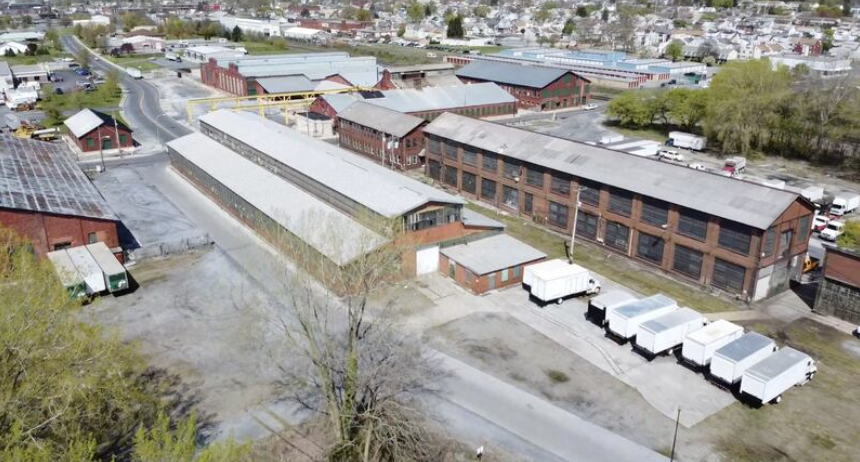
Last year, Rosenwasser and Bilotti opened their Bella Vista showroom at 735 Bainbridge St., while their larger collection is stored in a 80,000-square-foot warehouse in Lebanon, Pa.

“It was always something that was built from the ground up,” Bilotti said. “It started off as restoring just one single huge chair, which is wild to think about.”

The self-proclaimed “vintage furniture nerds” hand-picked the 1960s midcentury conference tables, desktops, prism lounges, and finely-crafted credenzas that fit the dark and ambiguous world of Severance creator Dan Erikson.

“They look almost futuristic, but they are also sort of vintage and retro in the same way,” Bilotti said. “There was intentionality behind what the decorators were doing, and the furniture and design of the spaces, the architecture, contributes to that in a very intentional way, which we really love.”

The furniture helps define the unsettling labyrinth below the surface of the Lumon Industries building, where Mark Scout, his coworkers, and partial love interest, Helly (Britt Lower), transform from their everyday selves (outies) into their Lumon identities (or innies).

Along with Miss Huang’s bench, other Rarify collectibles that made it to the show include a $15,500 Washington Prism lounge, ottoman, and table set by David Adjaye that finds pride of place in the muted and haunting home of Jame Eagan (Michael Siberry).

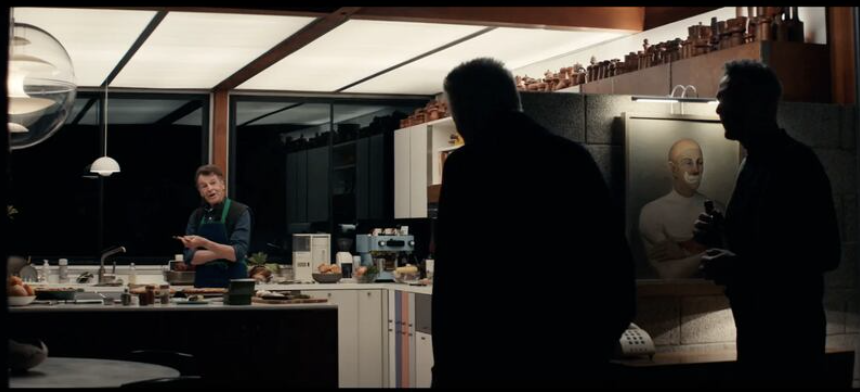
A Gerald Luss credenza ($19,950) stands in Burt Goodman (Christopher Walken) and husband Fields’ (John Noble) home, in a scene that was shot in the actual Gerald Luss House in Ossining, NY. There was also a full suite of Jens Risom and Florence Knoll pieces at the fictional Ganz College, where Mark and his wife, Gemma Scout (Dichen Lachman), first met and worked.

But the biggest shock came seeing one of their finds at the center of the explosive season finale.

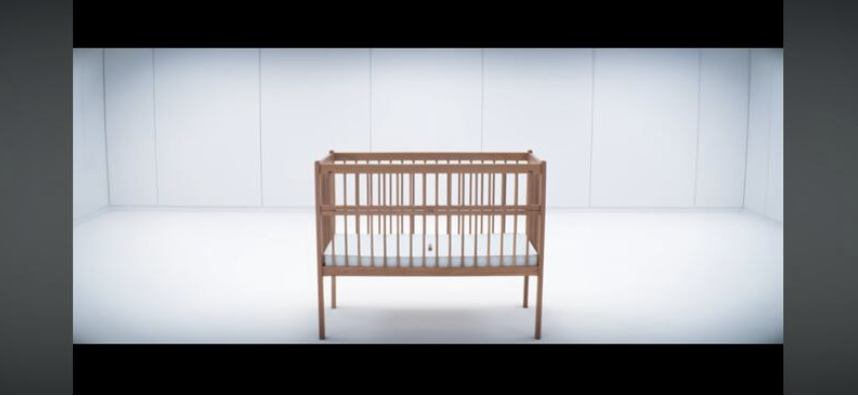
The baby crib at the center of “Cold Harbor,” where Gemma Scout is forced to confront one of her last (and most traumatizing) memories, also came from Rosenwasser and Bilotti. And yes — spoiler alert — they spotted the oak-colored crib in an earlier episode in Mark and Gemma’s house before it moved inside in “Cold Harbor.”

“I didn’t really process the crib,” Rosenwasser said. “It didn’t really hit me because you couldn’t see it that well [earlier in the season]. And then on the last episode, it’s like, ‘there it is!’”

The Severance team, they said, even designed a custom box for the crib with “COL d’ARBOR” written across.

Bilotti and Rosenwasser found the crib by designer craftsman Charles Webb in Cambridge, Mass., after a lengthy search. When the Severance team wanted two of them, the duo scrambled to find one just in time for production “somewhere in the Midwest.”

The level of detail interwoven into the show’s story lines also went into its set design and decoration, Bilotti said. Both of them, he said, were thrilled to play a part in the three-year project.

“It’s wonderful for us as people in the furniture and design world to see such public interest in these pieces … We hope that we’ve made a tiny impact, and maybe educated some people, too,” Bilotti said.

Bilotti and Rosenwasser caught the attention of Jeanelle Marie, Severance‘s assistant set decorator, thanks to word-of-mouth and a series of viral videos of showcasing their restoration process and growing vintage collection.

After the pair collaborated with Marie on the Kaley Cuoco-led series The Flight Attendant, they met the then newly-assigned Severance set decorator, David Schlesinger, who had previously crafted sets for Knives Out, Hustle, The Equalizer 2, and Leave the World Behind. In February 2023, Rosenwasser and Bilotti showed Schlesinger their 15,000-plus collection in their Central Pennsylvania warehouse.

Once Schlesinger left, the duo started receiving “urgent” phone calls and emails from the show’s set decoration team, requesting hard-to-find items that weren’t in high circulation. The inquiries set the partners off on deep dives looking for pieces that could furnish the vague world of Severance, which blurs the line between the past, future, and present.

“They were looking for the best of the best that hadn’t been widely covered in culture and media,” Rosenwasser said. “If you could buy it from a furniture store today, it was a lot less appealing.” The ones that made it onto set, he said, were often in short supply.

Billoti and Rosenwasser sourced the pieces and shipped them to the shooting locations in central New Jersey or New York’s Hudson Valley.

“There were super-specialty things that were really unique, and they would need 10 of them. It was quite a challenge,“ Rosenwasser said. ”But we scoured the interweb, and by luck, there were other ones out there.”

For every item that made it into the show, Bilotti said, there were at least two more that didn’t. That list includes a John Nyquist desk chair, Lehigh Leopold end table, Lewis Butler coffee table, and an assortment of other fittings.

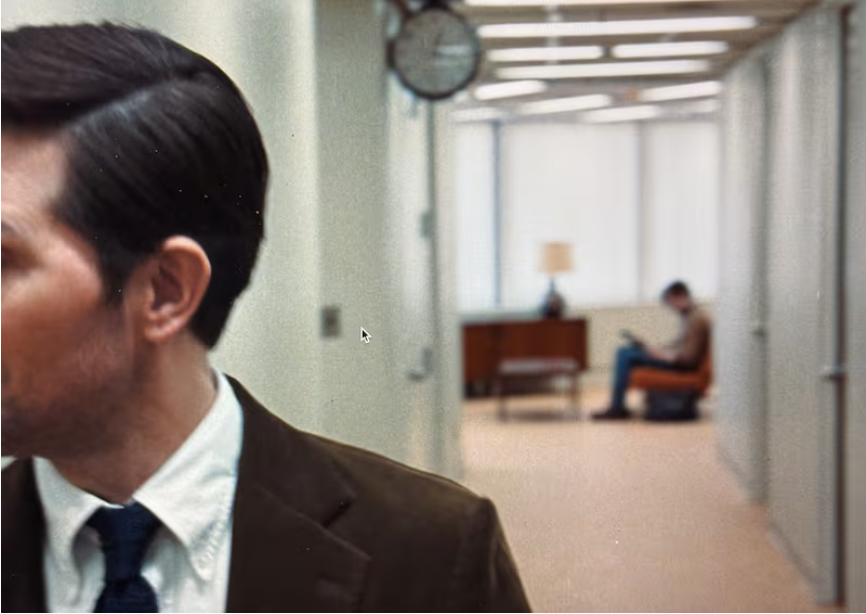
For Bilotti, Severance has become a version of AMC’s Mad Men. “The set of Mad Men was so integral to the identity, that made it a hit TV show. The same goes for the Bell Works headquarters, Gerald Luss House, and the other architectural works that Severance is filmed in. The furniture is a part of the lore of the story."

Is a third season collaboration in the works for Bilotti and Rosenwasser?

“We’re crossing our fingers,” Bilotti said.

– The Philadelphia Inquirer

Lisa Ann Walter wants some Philly restaurant recommendations

After decades of acting in theater, film, and TV, Lisa Ann Walter is settling into stardom.

That’s thanks to Melissa Schemmenti, the hilarious and ever-resourceful second grade teacher she plays on the ABC hit Abbott Elementary. Now, with her star on the rise — she’s appearing in the new reboot of Who Wants to be a Millionaire, which launched earlier this month — Walter is recording her comedy show in Philly.

Starting Thursday, Walter will be in Philly for a three-night stint at Helium Comedy Club with a gift in mind. After a decade of headlining live shows, the actor will record her debut comedy special at the Center City venue. Her Abbott Elementary costar and “work-wife” Sheryl Lee Ralph will coproduce and codirect the project with Walter.

“I think anyone who’s been to a Philly sports event knows that Philadelphians don’t hold back,” said Walter, who slipped in and out of Schemmenti’s South Philly accent during a Zoom interview. That passion, she says, makes Philly the ideal spot to record. “[People in the audience] are loud, but they’re not trying to heckle. They love being at the show, they love being enthusiastic, and they’re smart. That is the perfect combination for a great comedy audience, and Philly has really embraced me.”

Ahead of her shows, we talked to Walter about her disco dancing, the weeks she spent studying Bradley Cooper’s Philly accent, and her love of Dalessandro’s Steaks.

This interview has been lightly edited for length and clarity.

Is Philly your favorite city to do comedy?

I did a show last year, and I never felt more at home in a place that wasn’t where I grew up. One person came up to me and said, “You know, we didn’t even want to like you.” They were very conscious of the fact I was coming to the city as a newbie. But they said, “You’re one of us.” People hugged me, kissed me, and gave me food everywhere I went. If you do those things, then I’m home.

You’re from Maryland. How did you master the South Philly accent?

When Bradley Cooper did an Abbott Elementary episode, I told him I studied his videos. When he was first coming up, he went on talk shows and they would make him do the accent — almost like it was a circus trick or something. But he was so good at it that I would find those interviews and study them. I can’t tell you the number of hours, days, and weeks I spent making sure the accent was perfect. I tell people from Philly all the time, “Let me know if I can do it better. Hook a girl up.”

You brought a flask to the 30th SAG Awards. How much more Philly can you get?

My favorite part of that was how they had me hand the flask to Sheryl Lee Ralph, and she didn’t know it was coming. And the look on her face was so pure. Like, “If you don’t put that away … we are in public.” It was so Sheryl, but also [her Abbott Elementary character] Barbara.

The chemistry you and Sheryl Lee Ralph have is incredible. No wonder you’re working on this special together.

We’ve all heard stories about TV actors who played lovers for over 10 years, but it turned out they hated each other. Like, “Oh, he had bad breath or body odor and wooden teeth.” Right? But I think it’s very hard to act the kind of chemistry she and I have.

We fell in love as “workwives” on day one because we had so much in common. We were single moms raising our kids in Los Angeles. All the ways we connected were so pure, and we loved hanging out. We immediately started going shopping together because there were so many events we had to go to. We were outside a Zara dressing room while she threw clothes at me for like three hours. She dressed me for the next five events. We truly are that close. I adore her.

If you ever meet someone like her, you have to keep them in your life. She’s blessed from the moment she gets up in the morning.

What is it about stand-up that keeps you coming back on stage?

I think it’s connecting with people. It gives me immediate gratification, and it’s exactly what I intended to do when I was on stage as an actress in high school and I started doing dinner theater.

In my first professional show at 16, I made the audience laugh and cry. And I said, “I always want to do this.” Then I started doing stand-up and connecting with different audiences. That kind of experience in one room has chemistry. Comics know this, which is why I didn’t want to do the special in a big theater. I want to do it the way I came up in comedy. On a small stage at the level of the front tables, watching as the laughter travels from the front to the back of a room. It’s the closest thing to me knowing why God put me here on Earth.

You were also a disco dance instructor, right?

When I was coming up in D.C. as a kid, disco was huge. In D.C., they invented the hustle, and all my high school friends could dance. One of my best girlfriends was Colombian and she had four sisters, and they all had guys that could dance. I learned how to dance and they would yell at me “gringa,” and I learned how to move my hips. I started competing in disco competitions and I would win them. My mom, a crazy Sicilian, would drive me downtown to these clubs while I did these competitions. And then I got a job at 16 at Arthur Murray teaching old businessmen how to do the hustle, which is really just the salsa. I taught them the cha-cha, the waltz, and all these ballroom dances. And my grandfather, the old Italian, he taught me all those. And then when I turned 17, people wanted me to go to disco competitions in Rio de Janeiro, and my mom was like, “No, you are not.” So I had to quit Arthur Murray.

In the past, you’ve talked about the L.A. dating scene. How’s your dating life now?

Listen, I could always find a fella — and they found me. I’ve always had young guys slide into my DMs. Always. But you don’t want to date people because you’re famous. You want to be with people who are down with you for who you are. Having said that, every relationship is transactional.

My first husband [Sam Braun] is my buddy, and I have a joke on stage about him. He was a lovely Jewish man, but turns out we had too much in common — we both like men. The second husband was a cheater, and while cheating is not technically a religion, he practiced it like it was. But my first husband, I adore. We spend every Sunday night together watching our favorite show, 90 Day Fiancé.

I’ve already had my babies and I’m making money. What dating app am I going on?

Have you had a Philly cheesesteak?

People have sent me to some really good places. In fact, I want to go back to a couple of them. Cheesesteaks and hoagies aren’t the only good things that Philly has to offer. I know you got water ice and everything else, but what else do I need to know? I have a list of a few places.

The last time I asked on [social media], people were being very lovely and helpful at first. But then it took a hard left turn. Someone was like, “If you don’t go to Dalessandro’s, then you’re a dick.” OK, I guess I better go. I went and it was worth the trip. You should have seen my hotel room — it was disgusting. I had half-eaten cheesesteaks and hoagies all over the place.

– The Philadelphia Inquirer

Meet Jason Kelce, summer student at a grazing farm, and perhaps a future rancher

Nagging postgame injuries, childhood memories, thoughts of retirement, and those fiery “Go Birds” chants: It was all captured in Kelce, a new Prime Video documentary starring Philadelphia Eagle Jason Kelce.

The 102-minute film, which premiered Tuesday, follows the all-pro center before the 2022 NFL season to the months after the Eagles’ historic run to Super Bowl LVII. Outside the grueling demands of the gridiron, and the moments spent with his wife, Kylie Kelce, and their three daughters, the doc shows Kelce exploring a surprising offseason interest.

When his days of hitching the ball to quarterback Jalen Hurts are done (and we hope it’s no time soon), Kelce might put his farmer hat on and spend his free time neutering bulls.

On the first episode of Kelce’s podcast New Heights with brother and fellow NFL star Travis Kelce, he talked about having a particularly “fun” offseason back in 2022. “You asked me what I did this offseason. Have you cut a bull’s nuts off? No, I don’t think you have,” he said.

Near the 24-minute mark of the doc, Kylie Kelce also talks about her husband’s farming endeavors in Missouri. The film then cuts to the six-time pro bowler grabbing a name tag and joining a beginner’s grazing school session led by cattle rancher Greg Judy.

In May 2022, Jason Kelce flew out to Clark, Mo., to meet Judy, who owns and leases 19 farms across the country, for his annual spring grazing school at Green Pastures Farm. Over two days, Kelce learned the fundamentals of sheep and cattle rearing alongside other beginner ranchers.

When he first met Kelce, Judy said his hand disappeared in Kelce’s massive mitts. Despite his physical stature, and growing popularity as a beloved Eagle, Kelce was as “humble” and willing to learn as much as anyone he’ has ever taught, Judy said to The Inquirer.

“Jason really blew me out of the water,” said Judy, a three-time author and popular YouTuber. “He’s just a learner. I think that’s why he’s so successful as far as being a football player. He’s willing to do the work.”

When Judy asked what drew Kelce to regenerative agriculture, which focuses on an eco-friendly, grass-based grazing system, the NFL star told him he wants to enjoy healthier foods and introduce his daughters to farming.

Judy, a die-hard Kansas City Chiefs fan, said it was hard watching his team beat the Eagles last season. “I almost felt like Mama Kelce during the Super Bowl,” he joked.

The connection between Kelce and Judy was made by Ann Demerath, the office manager and secretary at South Poll Grass Cattle Association, which maintains the record and registry of that particular breed of cattle.

As intentional as Kelce is on game day, Demerath said he’s as laser-focused when it comes to regenerative agriculture. And she knew having him meet Judy would set him up for success, and open his and others’ eyes to the possibilities of farming. “[Kelce] doesn’t go into things halfheartedly,” she said. “If he’s going to invest his time, he’s going to give it his all.”

As Kelce continues to learns the ropes of farming, Demerath said his presence can shed more light on the process of regenerative agriculture and clear any misconceptions about the practice.

“Somebody with [Kelce’s] influence to take on regenerative agriculture, and to show people that animal agriculture is here to support and heal the planet, is really important,” she said. “I think it’s super cool that [Kelce] is a part of this, and that he wants good food, he knows where it’s coming from.”

While Kelce is back for another NFL season, Judy looks forward to the day he gets invited to Kelce’s future farm, either in Missouri or near his home in Philadelphia.

“He talked about how he’d like to have me come in to consult on his farm, just to make sure [he’s] got the fencing, the water, and the livestock set up. I’m looking forward to that and seeing how it goes.”

– The Philadelphia Inquirer

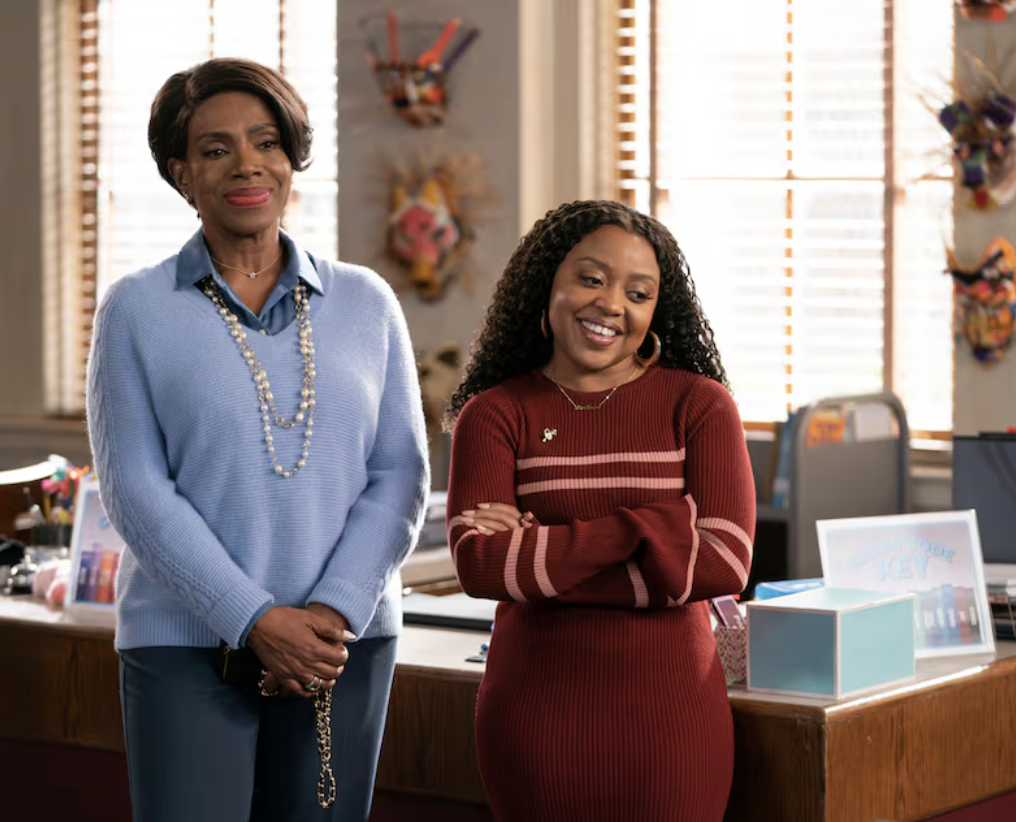
Local artist, educators praise ‘Abbott Elementary’s Mural Arts episode

ABC’s Abbott Elementary spotlights the transformative powers of the Philly arts in a new episode featuring Mural Arts Philadelphia.

On Wednesday’s episode, titled “Mural Arts,” the school’s history teacher Jacob Hill, played by Chris Perfetti, secures a visit from a representative of Mural Arts who is looking to work with students on a painting that reflects the legacy of the school.

For some Philadelphians, the episode felt like the icing on the cake of a show they already feel represents their communities so well.

Read More

From small galleries to primetime TV, Dawn Okoro is shining under international spotlight

As a "tall, thin and quiet bookworm" with a love for fashion and culture magazines in Lubbock, artist Dawn Okoro said she always felt like a black sheep in the small, northwestern Texas city. 

While others her age played on playgrounds, she spent hours flipping through the pages of Vogue, Essence, Jet and Ebony magazines.

Her artistry blossomed as she studied the covers and spreads of the iconic publications, with the images of models like Naomi Campbell and Tyra Banks broadening her scope and sparking her creative talents.

"For me, my window to the world was in magazines," Okoro said. "My grandma would get them and my mom had a subscription to Jet Magazine and Ebony Magazine, and every month there would be a couple of pages dedicated to fashion. They featured Black fashion designers and some of the Black models and I would just think, 'Wow.'"

With each weekly or monthly issue, Okoro was inspired to replicate the images captured by editorial photographer Richard Avedon and other creative minds of the time. 

In elementary school, she began making drawings of the clothing designs from the magazines, sometimes filling the skin with a mahogany shade where it did not previously exist. And by the time Okoro, 42, was in high school, she took her fashion-centric style to the canvas. 

But Okoro said her family didn't believe a career as a full-time artist was sustainable. 

"Where I grew up, people heard of (Pablo Picasso) or whatever, but my family was kind of like, 'That's a nice hobby, but you need to go be a doctor or a lawyer or engineer,'" Okoro said.

To appease her family, Okoro pursued other avenues. 

She graduated from the University of Texas at Austin with a degree in psychology and a minor in fashion design. She later earned a law degree from Texas Southern University, but despite the opportunities that bloomed from her academic success, her creative passions were always on her mind.

After graduating from TSU, Okoro uprooted her life in Austin to start anew in New York with the hopes of making it as an artist in the Big Apple. 

Okoro began meeting with different artists and curators, but after a year, she and her then-boyfriend — now-husband — were forced to move back to Central Texas due to family and financial strains that worsened with the Great Recession in the late 2000s. 

With no interest in practicing law and to please her family, Okoro put her artistic pursuits on hold and decided to start a career in journalism.

"In my heart, I knew I wanted to do art, but there was still that drive to feel like I'm actually doing something with my life in a way that my family would understand," she said. 

'I thought there would be less struggle and anxiety'

While working at Spectrum News Austin, Okoro said, she wouldn't pick up a paintbrush for months or even years at a time. 

"It was a process," Okoro said. "When I moved back to Texas from New York, I just decided to give up on art. I liked making work, but I think I had a vision of what an artist was. I thought there would be less struggle and anxiety. But it's impossible not to see art in your life. You really can't avoid it; it's everywhere."

Okoro eventually found time to create new art series and finished paintings she hadn't touched in years. 

Her creative revival came at a time of emptiness.

After experiencing the death of loved ones, Okoro recognized the fragility of life and decided to turn to a paintbrush and canvas again. 

"It felt like something was missing," Okoro said. "After maturing, seeing life and experiencing the death of people close to me, it kind of felt like life really is short and I need to start living and I started small from there." 

In 2018, Okoro showcased her "Punk Noir" exhibit at the George Washington Carver Museum, a show that featured towering canvas paintings inspired by local artists and influencers in and around Austin that exuded a "punk spirit," Okoro said. 

The exhibit also included music from Austin-based band BLXPLTN to coincide with the artist's vision. And with the exhibition's success, Okoro drew the attention of local and international gallerists. 

Among her many admirers was Phillip Niemeyer, owner of Northern and Southern Gallery, who marveled at Okoro's eclectic style. 

"When I first saw Okoro, I thought she was amazing from the get-go, and everything she's doing now is just reinforcing that," he said. "I love the way she's constantly exploring her work. She doesn't stay in one place."

Mauve Doyle, the artistic director at Maddox Gallery in London, said she was drawn to Okoro's transparency and creative mind. 

"I like her confidence and her ability to engage with people, take chances and trust in the process of things," Doyle said. "Her future is really bright, and her work is uplifting."

Doyle said Okoro's background in fashion bleeds into her artwork, with many of her subjects painted in deeply enriched colors and positioned in ways that mirror the covers of editorial magazines.

Where to see Dawn Okoro's work

The relatively withdrawn artist has come into her own.

Since 2017, the Houston-born artist has held residencies and exhibitions in Seattle, Miami, New York and London, and she recently collaborated with PepsiCo to have her artwork placed on the brand's Lifewtr bottles. Her work also has been featured in Season 2 of NBC's "Law & Order: Organized Crime." 

"When I watched the episode where Jennifer Beals said my name and showed my painting, I squealed a little," she said. "I’m happy to see some of my goals begin to come to fruition. There is so much more that I can do with art. I’m just getting started."

Okoro has continued to expand her artistic reach since becoming a full-time artist in August 2021, with works such as "VantaBlack," "Kool-Aid Drawings," and "Crown and Glory."

Along with international exhibitions and TV show appearances, her contributions to the arts also have been recognized by Austin organizations.

In February, CapMetro placed portraits from Okoro's "Kool-Aid Drawings" project on city buses, and a wooden bust of the artist was placed inside the Carver Museum for the center's "Peace to the Queen" exhibit of work by artist Jamel Shabazz. 

Given her success as an artist, Okoro said her mother and other family members have applauded her chosen path and accomplishments.

"I think they're proud of me," she said. "I think now that I have more opportunities that are more tangible to see, they understand it better now. I think they're happy to see me happy and doing what I love to do."

After her career pivots and periods of artistic inactivity, Okoro said she's now fully embraced her artistry and individuality. 

"It's taken me years to come to that conclusion, and there are still some times as an adult when those feelings creep in again. But I think just doing my art has helped me a lot, and getting my art out there lets me know it's OK just to be who I am," she said. 

Okoro said her goal is to inspire other artists to accept their differences as their superpowers and to add beauty to the world. 

– Austin American-Statesman
Why reboots of classic Black TV shows are succeeding where other nostalgia fare fails

Nostalgia is in the air. Already 2022 is turning out to be the year of revivals of classic TV series — and particularly so for shows considered hallmarks of Black entertainment.

Among the long list of culture-defining sitcoms and animated shows returning this year, the reboots include new looks at The Fresh Prince of Bel-Air and The Proud Family, both of which premiered in February. By revisiting these shows now, Peacock (home of Bel-Air) and Disney+ (The Proud Family: Louder and Prouder) are clearly looking to replicate some of the same TV magic as the originals — but to their credit, they're doing so with a sense of nuance. It's working so far; both shows are critically acclaimed, which is rarely the case for most rebooted franchises.

For those who didn't grow up watching The JeffersonsFresh Prince (which ran for six seasons beginning in 1990) was likely the first time they saw an all-Black cast depicted as a wealthy family. The show likewise introduced classic characters and launched the careers of Hollywood legends while interweaving social and racial topics that still hold relevance today. And for younger millennials and older gen Zers (like myself), The Proud Family was the gold standard of representation as one of, if not the only, Black-centered animated shows on Disney in 2001. The series did for Disney animation what Modern Family did for sitcoms; it reshaped the look and feel of the channel, and opened doors for other Black actors and shows to shine on the popular network.

But why reboot them now? Judging by the recent renaissance of Black entertainment, strategic timing certainly plays a part. In the 1990s and early-to-mid 2000s, shows like MartinLiving SingleA Different WorldOne on One, and All of Us were at the forefront of Black media, with each of them representing a different layer of Black America during that time. But a large majority of these shows slowed in the mid-2000s and early 2010s — that is, until the airing of Black-ish in 2014, which recreated a zeitgeist that once permeated airwaves. Its success paved the way for a steady stream of shows dedicated to Black families and daily life rooted from a place of authenticity; Black-ish inspired spin-offs like Grown-ishMixed-ish, and reportedly the filming of Old-ish, and instigated more Black creators being tapped to spearhead TV shows on their own accord, including Courtney A. Kemp's Power, Donald Glover's Atlanta, Lena Waithe's The Chi, and most recently Quinta Brunson's Abbott Elementary.

The resurgence of Black media likewise inspired ABC to reimagine one of its classic shows with a Black family at the center. Last year, The Wonder Years debuted on the network and starred Elisha Williams as Dean Williams, a 12-year-old boy growing up in Montgomery, Alabama, during the late 1960s and early 1970s. The show was inspired by 1988's The Wonder Years, which chronicled the life of Kevin Arnold (played by Fred Savage) in the late 1960s and early 1970s — and, notably, starred an all-white leading cast. The first two episodes of 2021's The Wonder Years, on the other hand, revolve around the assassination of Dr. Martin Luther King and tackle culture-altering events while also bringing a sense of levity found in the original series. 

Other reboots haven't been as lucky. New versions of classic programs like The Odd CoupleCharlie's AnglesMacGyver, and others have been rightfully ripped by critics. But 2021's The Wonder Years — and in turn, the reboots of The Proud Family and Bel-Air, which premieres the season one finale on Thursday — are succeeding where other shows with similar influences aren't because of their willingness to insert new ideas or elements to captivate a new generation of viewers while at the same time honoring fans of the original series. While hinging on viewers' nostalgia can be a show's strength, it can be detrimental when there's no sense of originality, even if the concept is based on a widely popular entity.

Sure, certain elements of the Peacock and Disney+ shows are the same as their predecessors, like the list of main characters and their backstories, and in the case of The Proud Family: Louder and Prouder, a near-identical animation style. But they have both also added to their source materials' mythos, drawing in a younger generation of viewers with new concepts, characters, and direction. For example, diverging from its more comedic and lighthearted origins, Bel-Air has taken on a more dramatic and ultra-realistic turn. The show trades in a live studio audience and multi-cam set-up of the original and focuses on a more introspective look at a young Black man who was plucked from West Philadelphia and is abruptly moved to one of the ritziest enclaves in Los Angeles. 

The Proud Family: Louder and Prouder, meanwhile, broadened its cast of characters with EJ Johnson voicing nongender conforming character Michael Collins and Billy Porter and Zachary Quinto voicing gay couple Randall and Barry Leibowitz-Jenkins. Instead of relying on the same narrative tropes and cultural topics that were prevalent when the original show aired in the early 2000s, the show has leaned into topics like LGBTQ rights, the effects of social media, the different shades of "wokeness" and other subjects that loom over today's society. The show's subject matter has evolved to draw in modern audiences, all while retaining the beloved characters and unmistakable charm that made The Proud Family a classic animated series.

Given the shows' new creative directions and refined scopes, The Proud Family and Bel-Air have a chance to stand on their own as summits of Black entertainment and the larger TV industry — just like the classic series that preceded their arrivals. 

– The Week

What were those lights in the sky over SXSW? A heavenly 'Halo,' we found out

Did you see those fluttering lights above the city's skyline Sunday and Monday night? We did, too, and we decided to find out how they all came together.

What you saw (or missed) was a promotional push for the new "Halo" TV show, which had a screening at South by Southwest at the Paramount Theatre on Monday afternoon.

Read More